
Natural Stone in Jewelry: Keeping the Spotlight
BEFORE THE SPARKLE
Have you ever wondered why ancient Egyptians, Sumerians, Chinese and Romans filled their crowns, amulets, decorations, and seals with carnelian, agate, lapis lazuli, and malachite? It wasn't just because they liked bright colors.
Semi-precious gemstones and minerals like agate, carnelian, lapis lazuli, malachite were highly sought-after. Egyptians used lapis lazuli because it represented the heavens, and carnelian because it represented blood and life force. Roman officials carved detailed signet seals directly into carnelian because hot sealing wax wouldn't stick to its smooth surface. As early as 3000 BCE, Sumerians imported lapis lazuli across 4,000 miles round-trip of trade routes from mines in Afghanistan, prizing its deep blue body and golden pyrite flecks. By the Renaissance, ground lapis lazuli created ultramarine paint pigment. It was so desired that art patrons paid for it separately, and it often cost more per ounce than gold.
For thousands of years, high jewelry was defined by bold pigment, form and natural geological character.
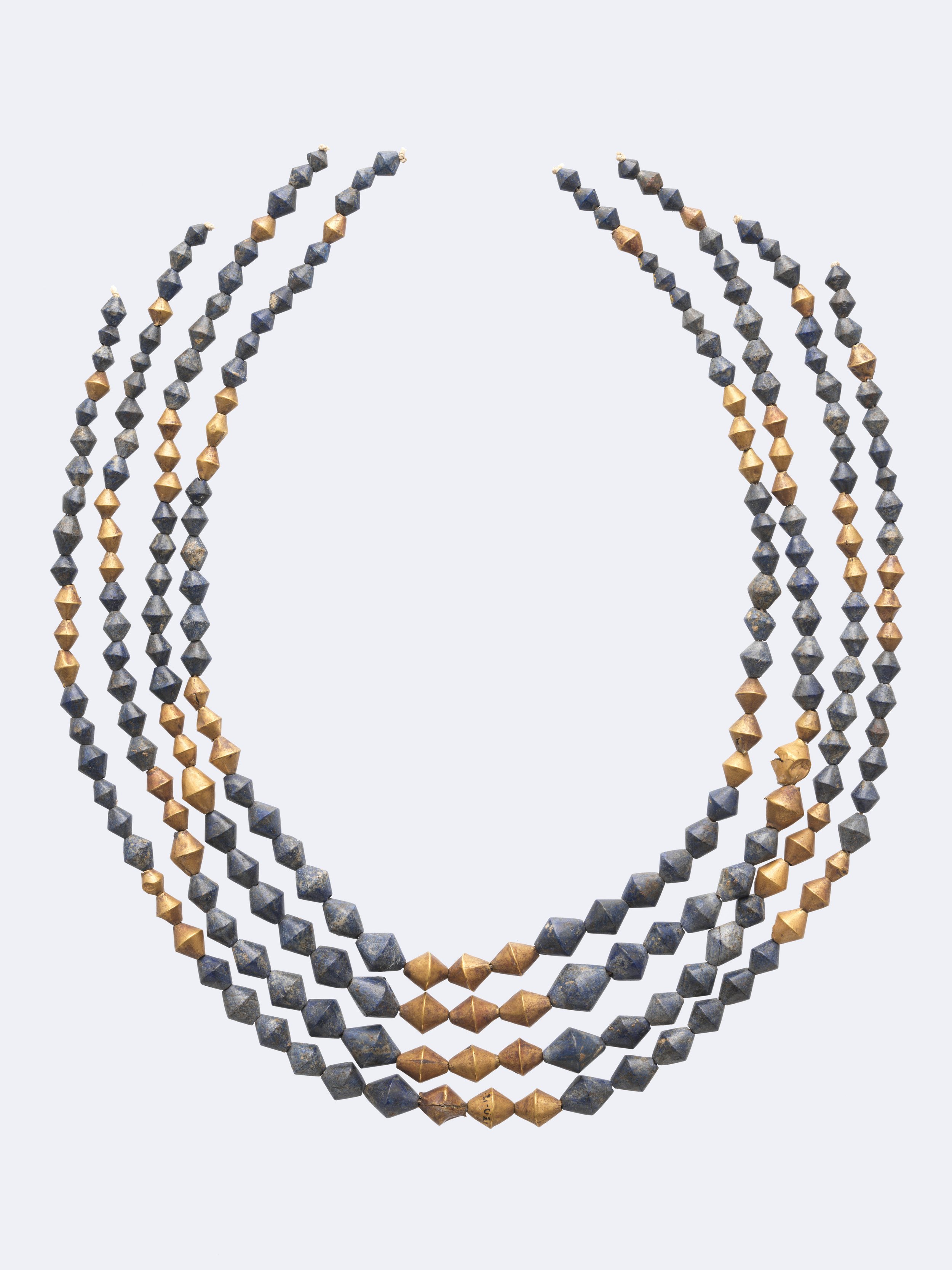
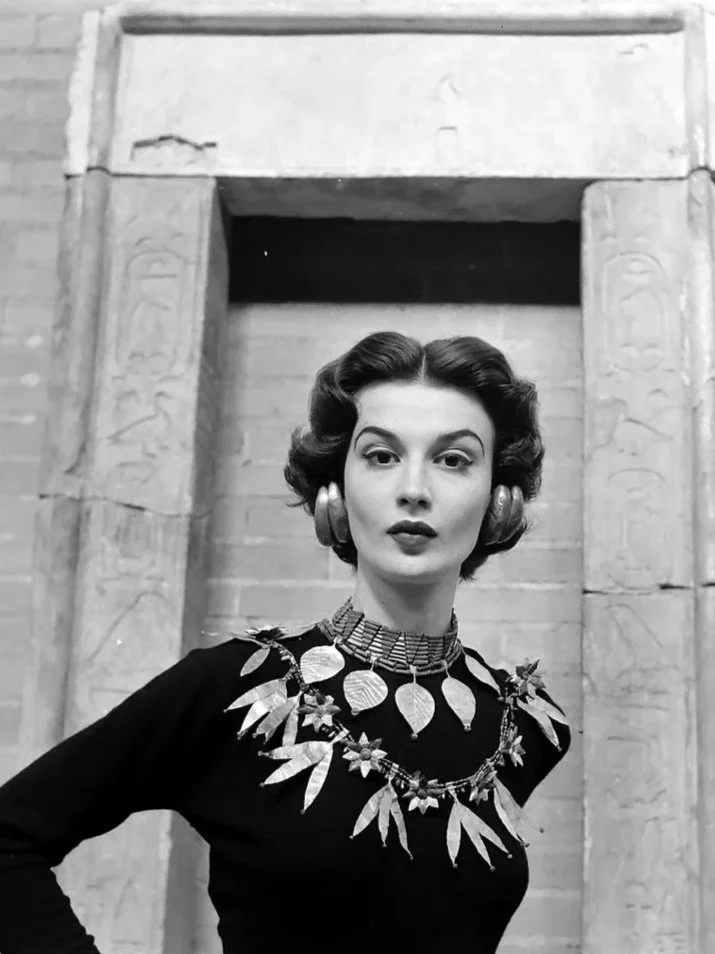
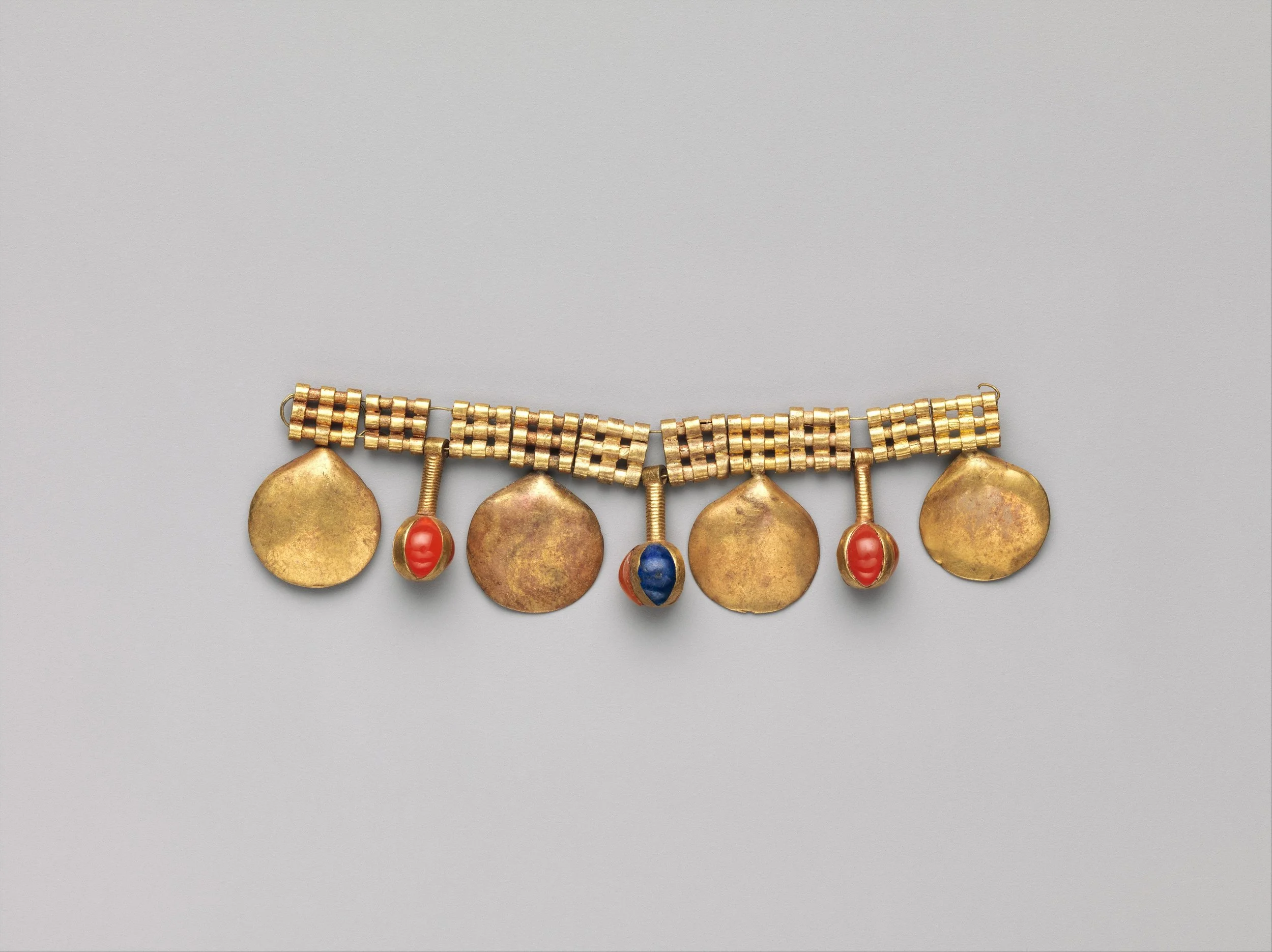
Jewelry elements, Middle Kingdom, ca. 1878–1805 B.C., Egypt. Gold, carnelian, lapis lazuli. The MET Collection.
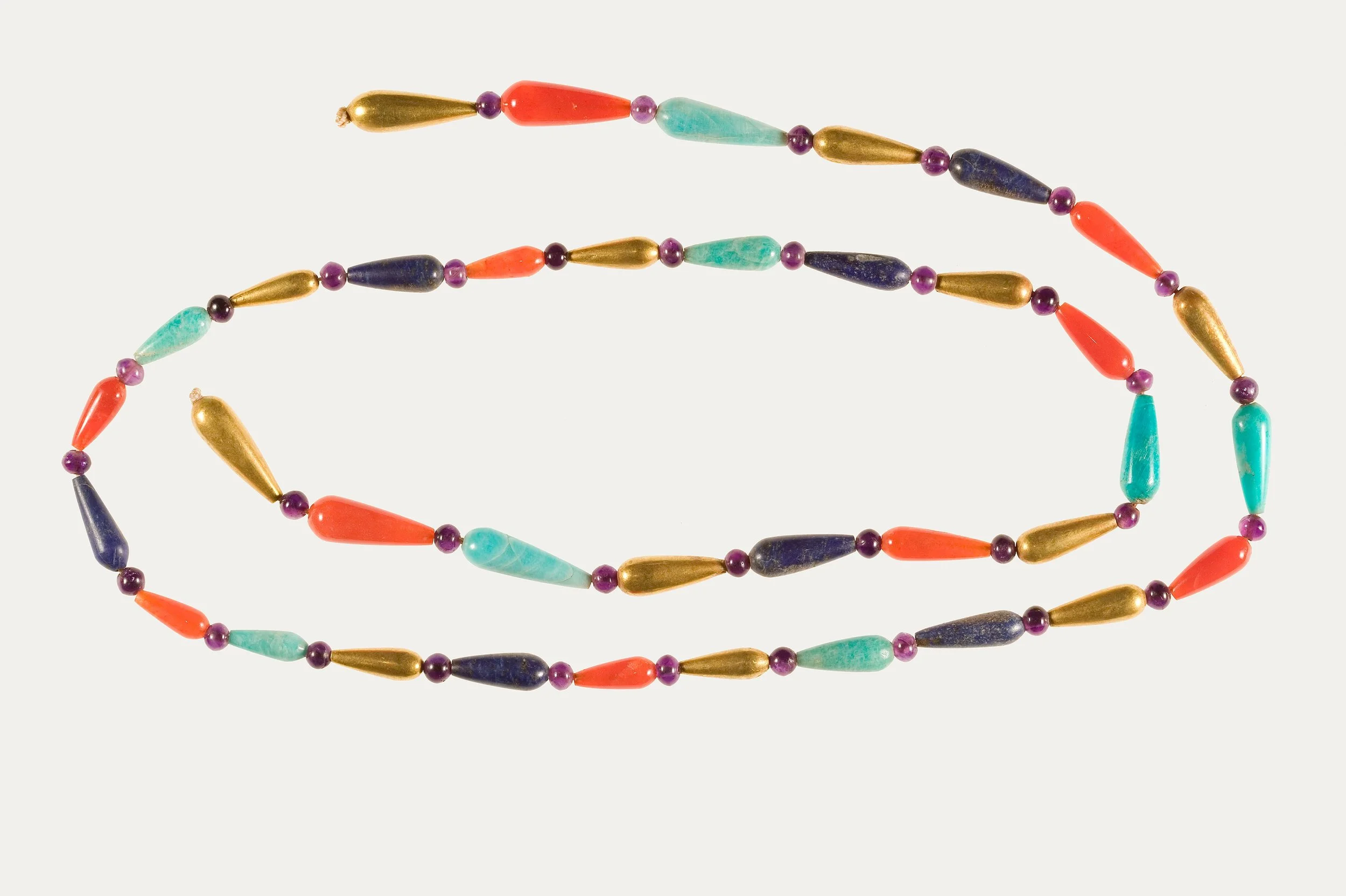
Necklace of Sithathoryunet, ca. 1887–1813 B.C., Egypt. Gold, carnelian, lapis lazuli, green feldspar, amethyst. The MET Collection.
By the mid-19th century, major excavations at Etruscan, Greek, and Roman sites sparked the "Archaeological Revival" movement, a period when master jewelers reproduced ancient artifacts with rigorous historical accuracy. These goldsmiths revived techniques like filigree and granulation alongside carved hardstones, micro-mosaics, carnelian, and lapis lazuli. Master jewelers such as Fortunato Pio Castellani in Rome, Carlo Giuliano in London, and Eugène Fontenay in Paris demonstrated that the highest form of luxury lay in historical craftsmanship and rich mineral pigments, rather than simply carat weight.
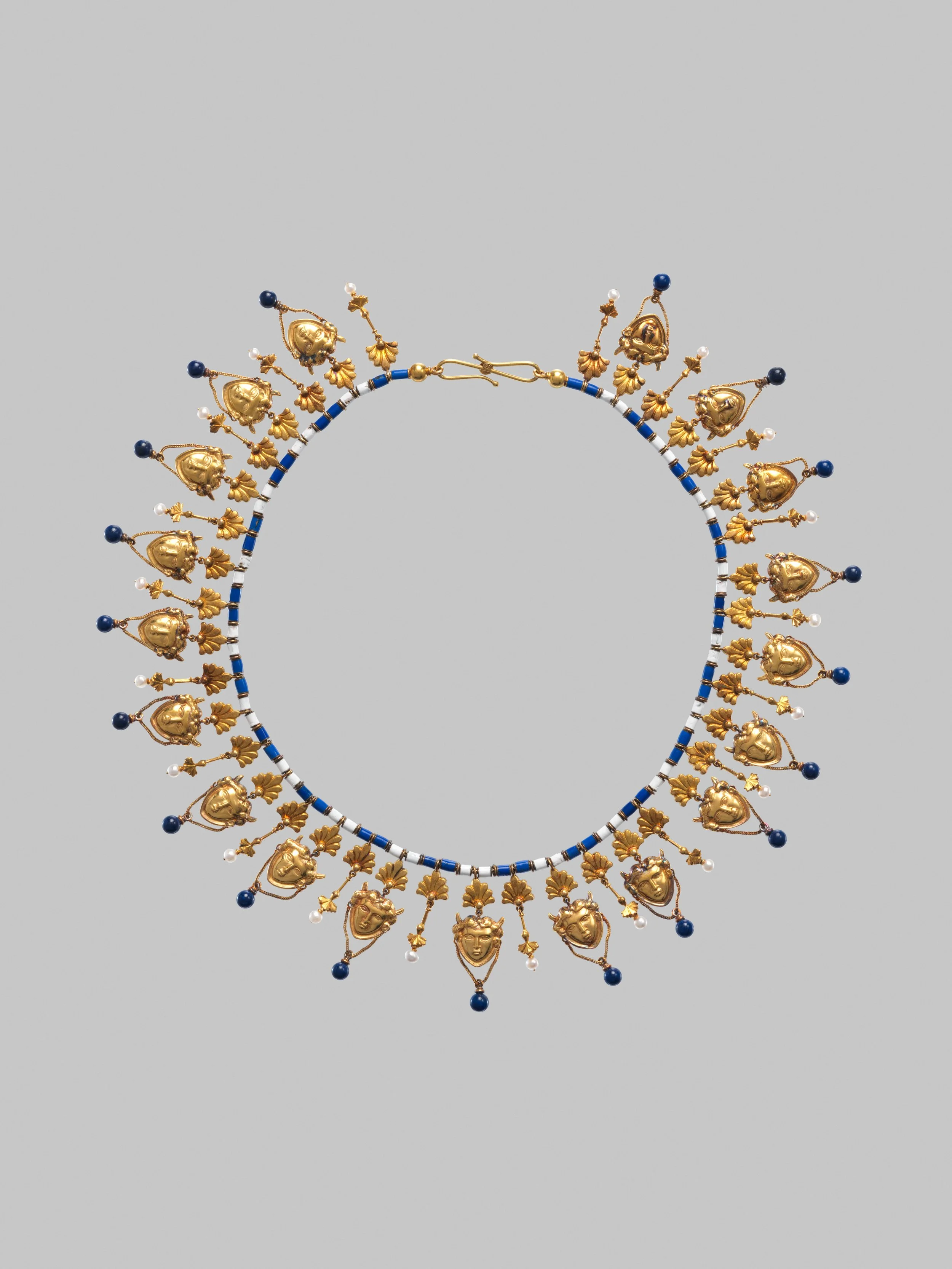
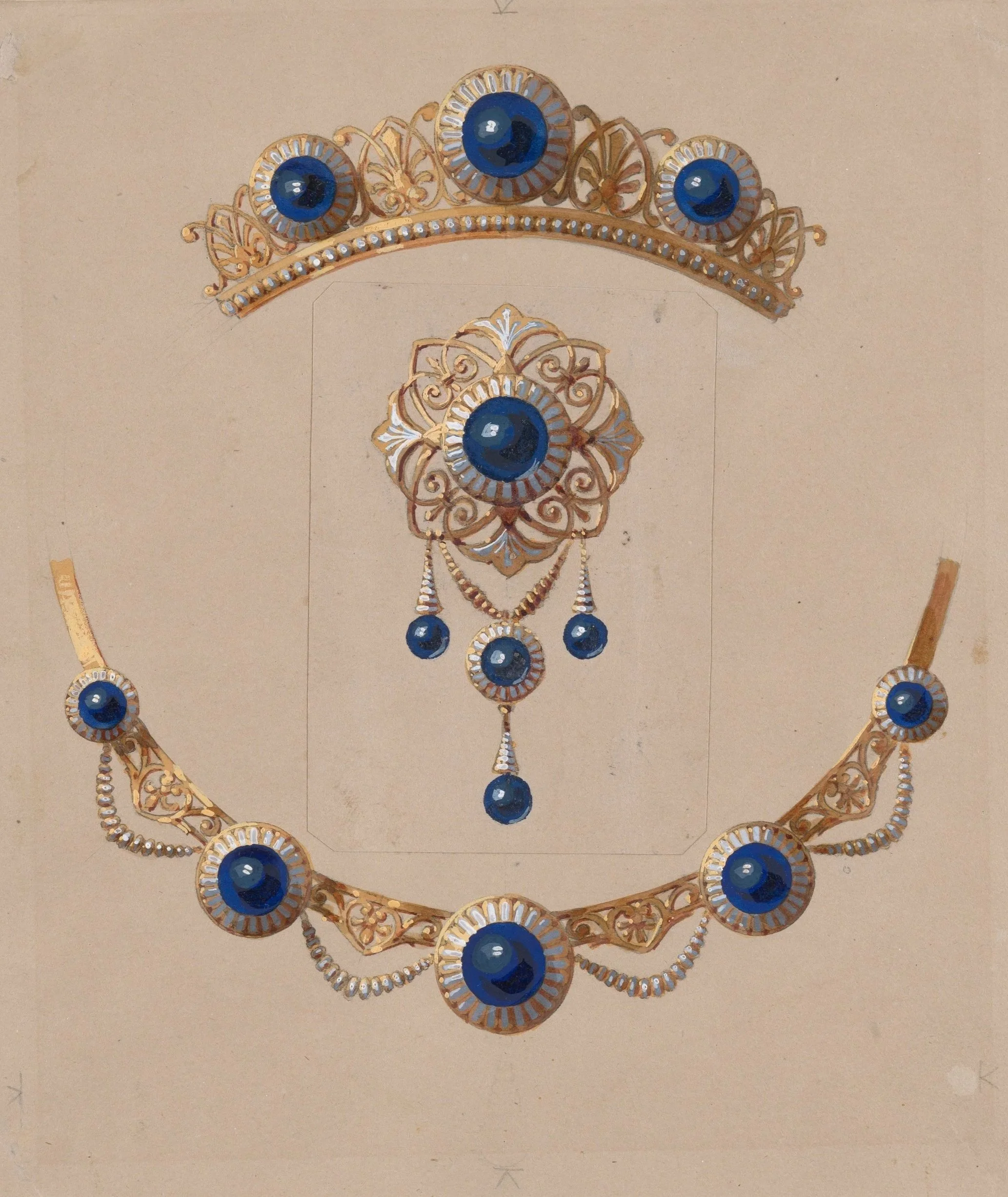
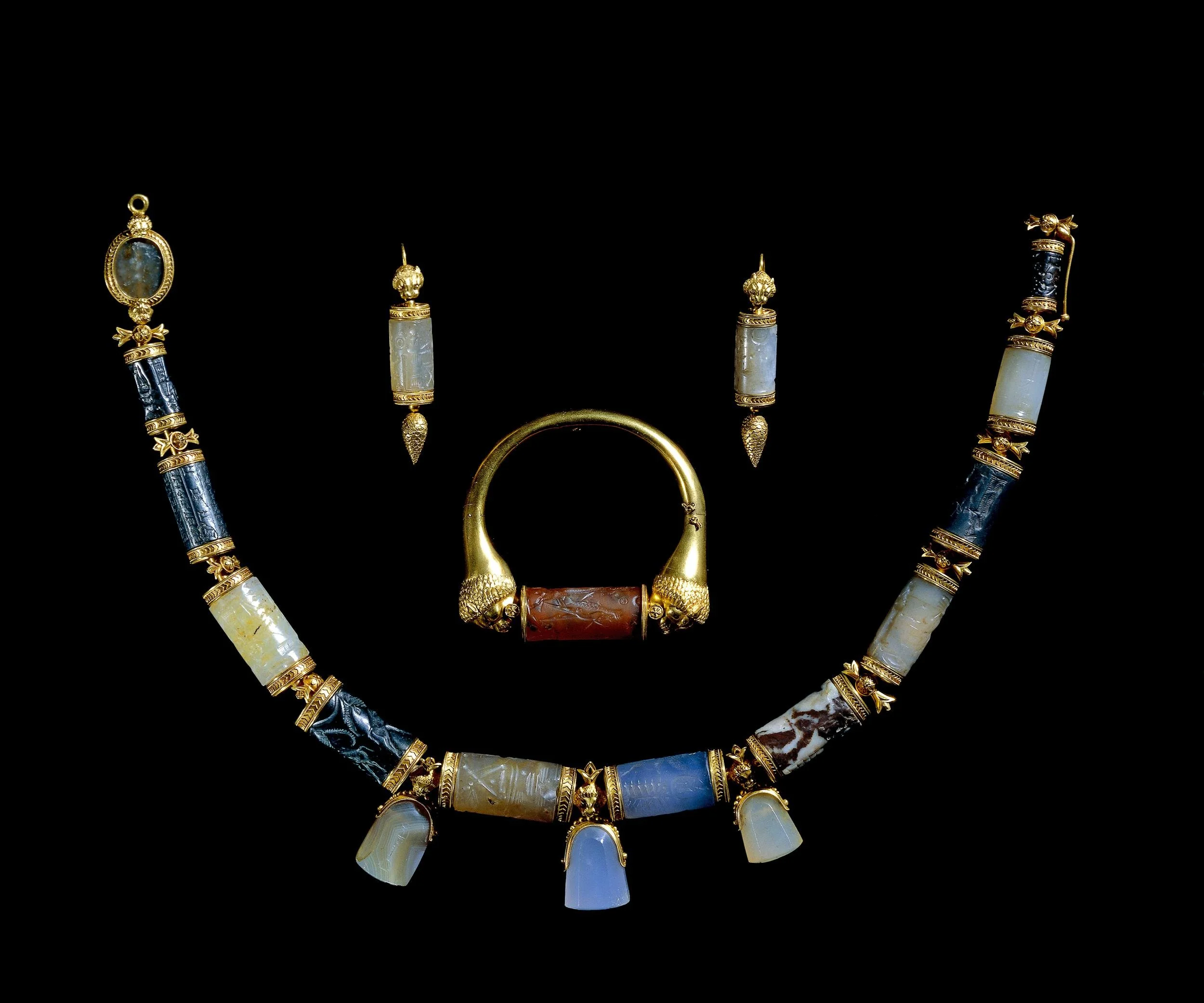
Lady Layard's necklace, made up from 18 Assyrian and Babylonian cylinder seals, set in gold mounts, produced in 1869. © The Trustees of the British Museum. Shared under a CC BY-NC-SA 4.0) licence.
In Georgian and early Victorian eras stones like turquoise, coral, and agate were wildly popular for sentimental and mourning jewelry.
Ancient artisans didn't have tools capable of faceting or polishing diamond stones to reflect light. Without modern technology, uncut diamonds look dull. Basic diamond cutting wasn't invented until the 14th century, and deep underground diamond mines didn't exist until the 1860s. In 1867, massive diamond deposits were discovered in South Africa. Then came 1947 and the famous "A Diamond is Forever" campaign. Decades of clever advertising convinced buyers that high jewelry meant a uniform, clear stone—and pushed every other mineral into the secondary category.
KEEPING THE SPOTLIGHT
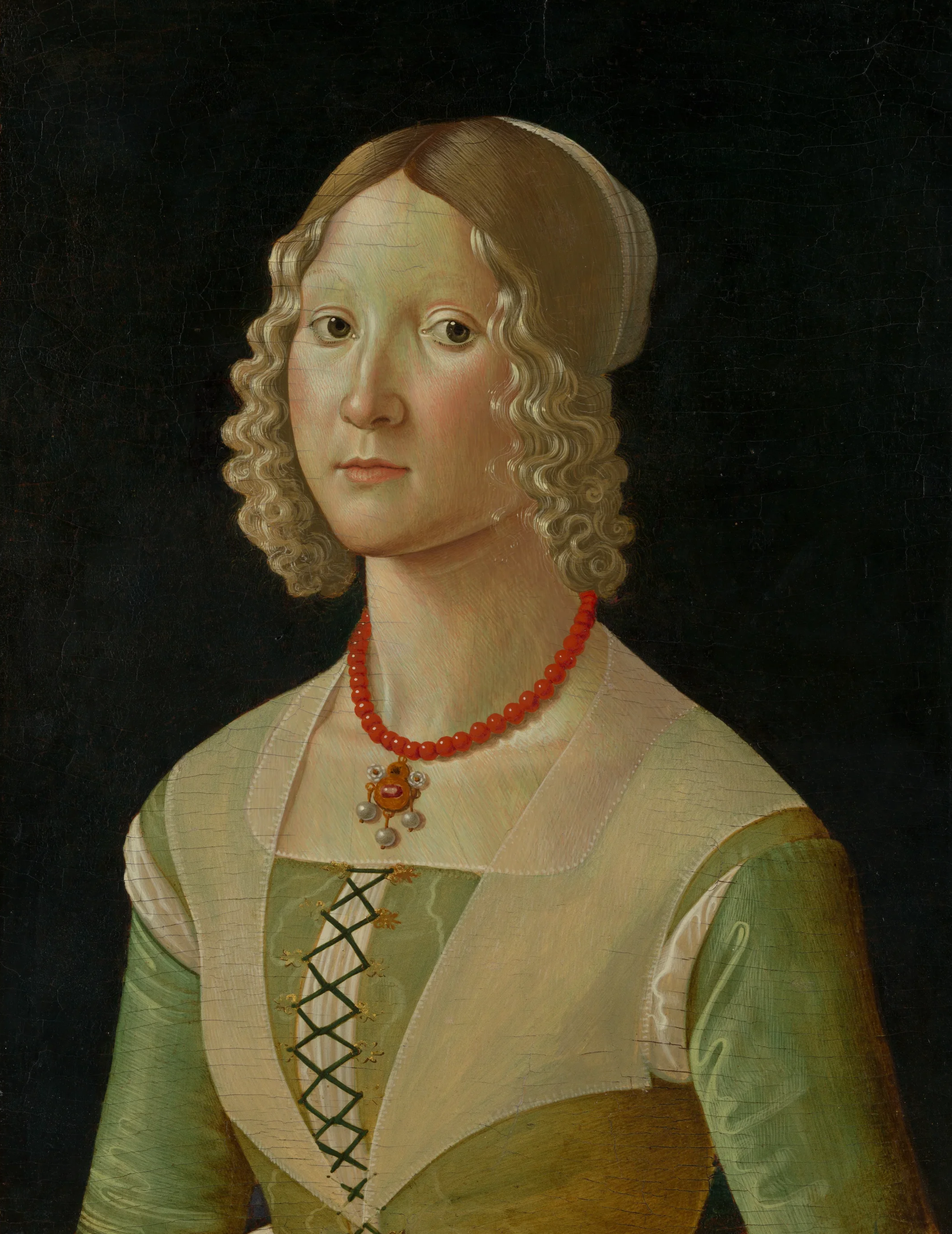
Even as mid-century diamond campaigns took over mass media, natural stone and beaded jewelry never truly left the stage. Long before fashion photography existed, portraiture captured the enduring obsession with simple, impactful stone beads. Renaissance painters like Agnolo Bronzino depicted nobility wearing heavy strands of natural coral and pearls as symbols of protection and status. In the 19th century, Pre-Raphaelite painters like Dante Gabriel Rossetti frequently depicted their muses in long, vibrant strands of unpolished amber, lapis lazuli, and turquoise beads.
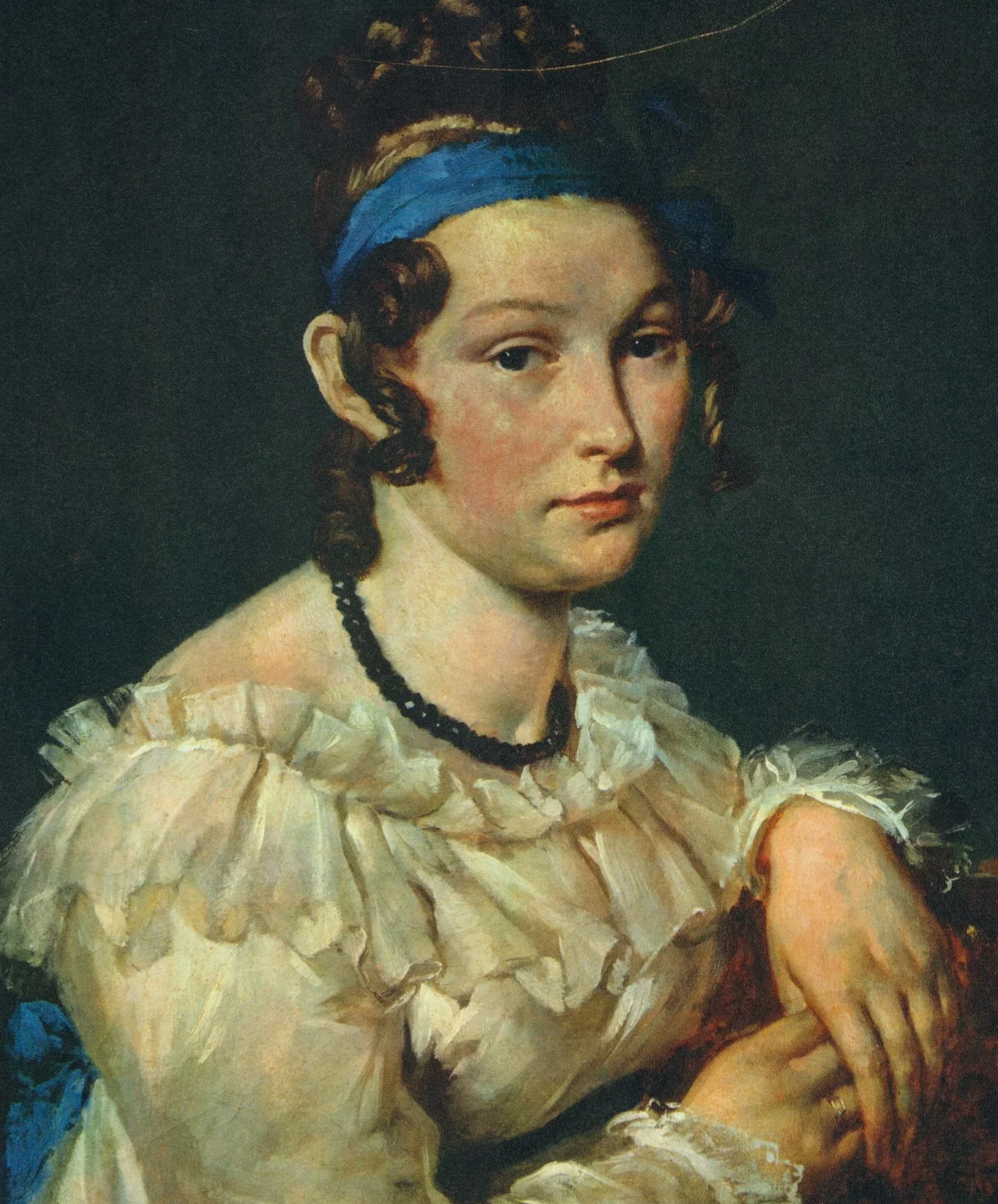
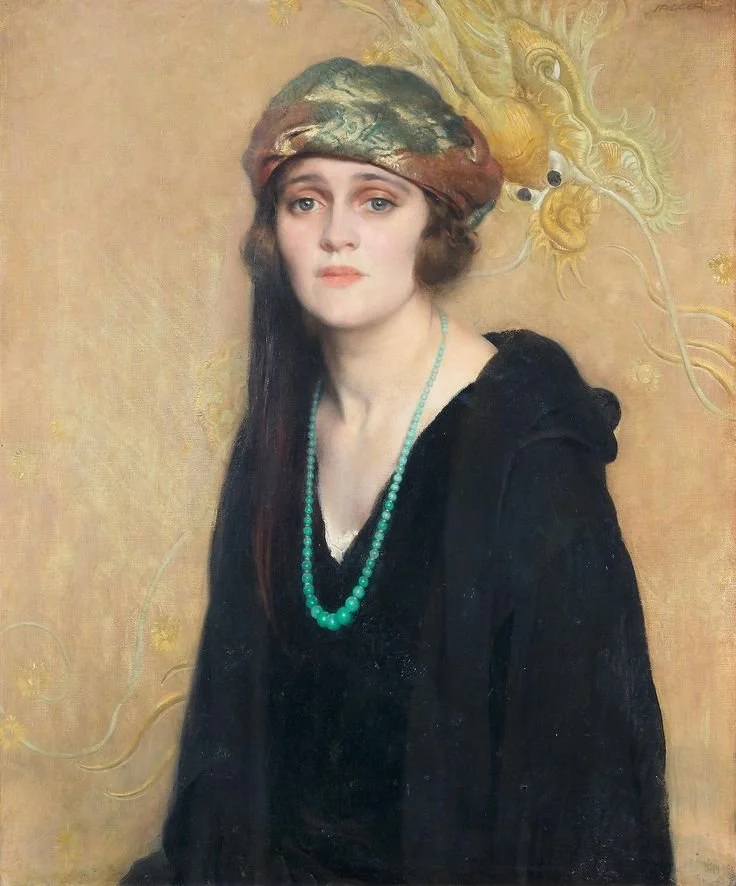

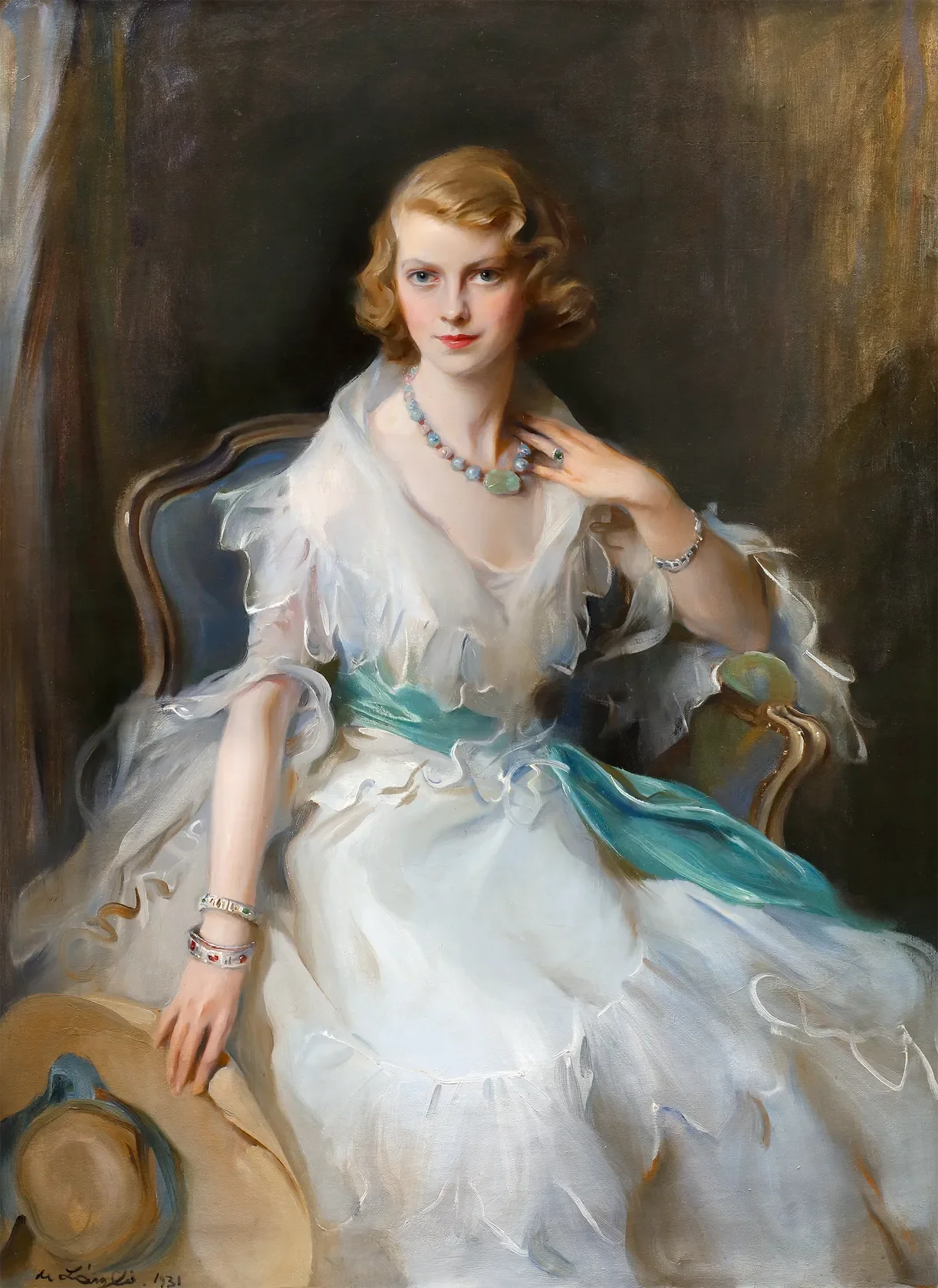
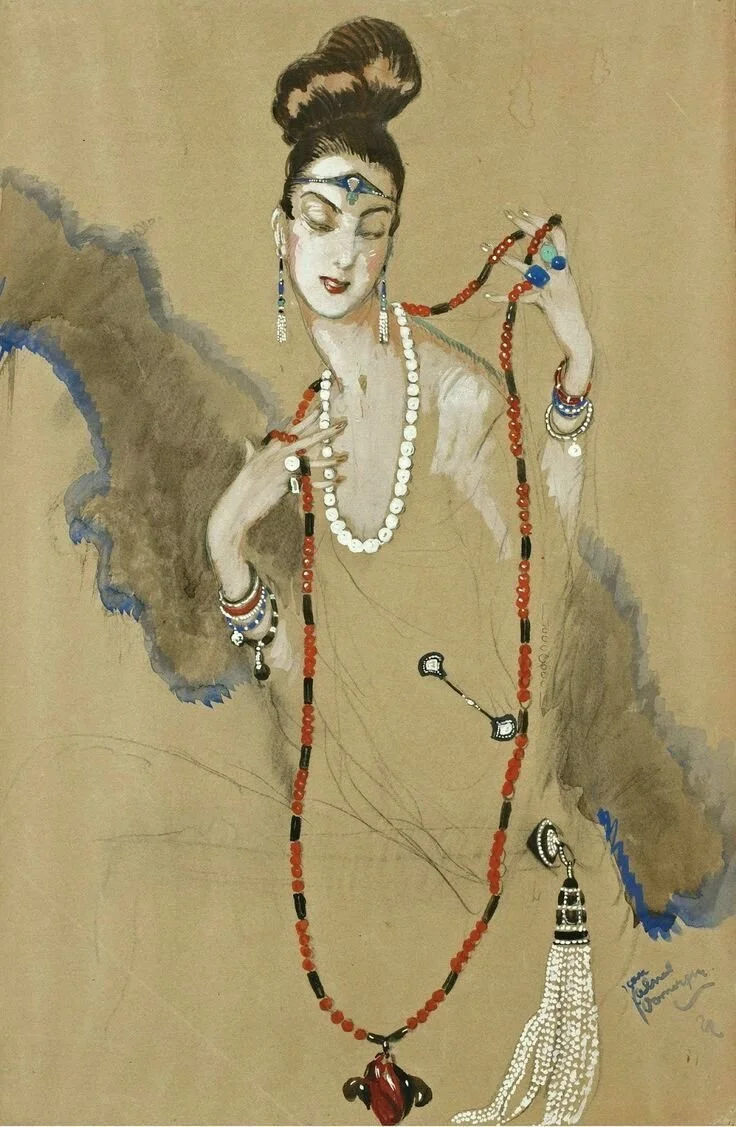
When 20th-century high fashion redefined modern style, designers largely favored the look of bold mineral beads. Coco Chanel famously stacked endless long strands of natural jade, lapis, and coral beads alongside her faux pearls, establishing that a woman's style was defined by rich layers of color. Yves Saint Laurent routinely anchored his 1970s runway collections with massive beaded fashion jewelry, working with natural turquoise, malachite, wood, and raw jasper to give his garments a sculptural edge. Christian Dior frequently produced oversized, multi-strand beaded pieces where colored stones were the focal point of the silhouette.
FOCUS ON THE STONE
Furthermore, various natural stones and beaded jewelry was elevated by art jewelers like Suzanne Belperron, David Webb, Margaret de Patta and others. Suzanne Belperron collaborated closely with master lapidary Adrien Louart to carve bold, organic forms directly from solid blocks of rock crystal, smoky quartz, and chalcedony. Belperron treated semi-precious minerals as the primary structural elements of her work, famously designing massive strands of chalcedony beads and tactile, carved stone cuffs for high-profile clients like the Duchess of Windsor. Belperron used a variety of stones in her work - amethyst, smoky quartz, chalcedony, green opal, moonstone, jade, spinel, aquamarine and others.
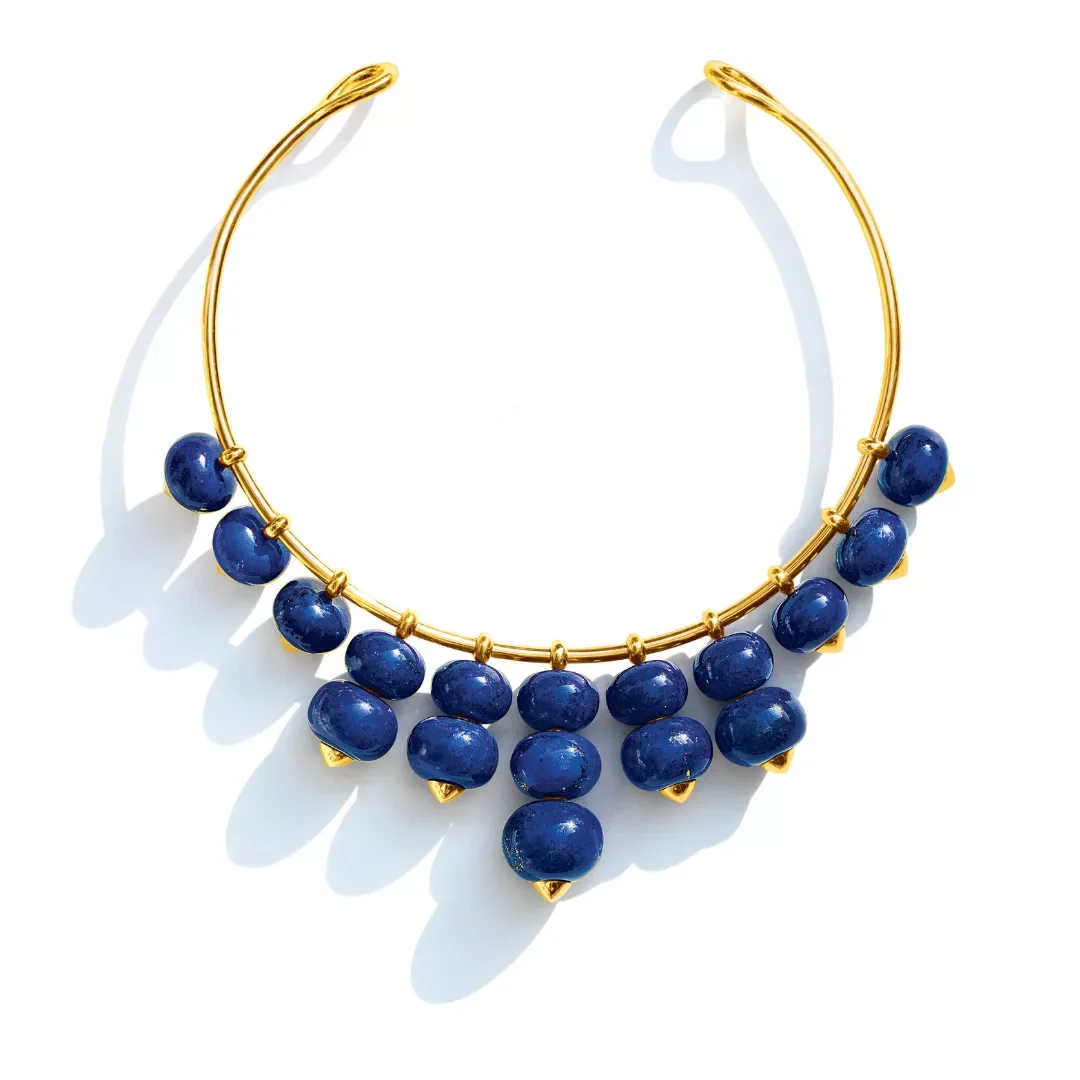
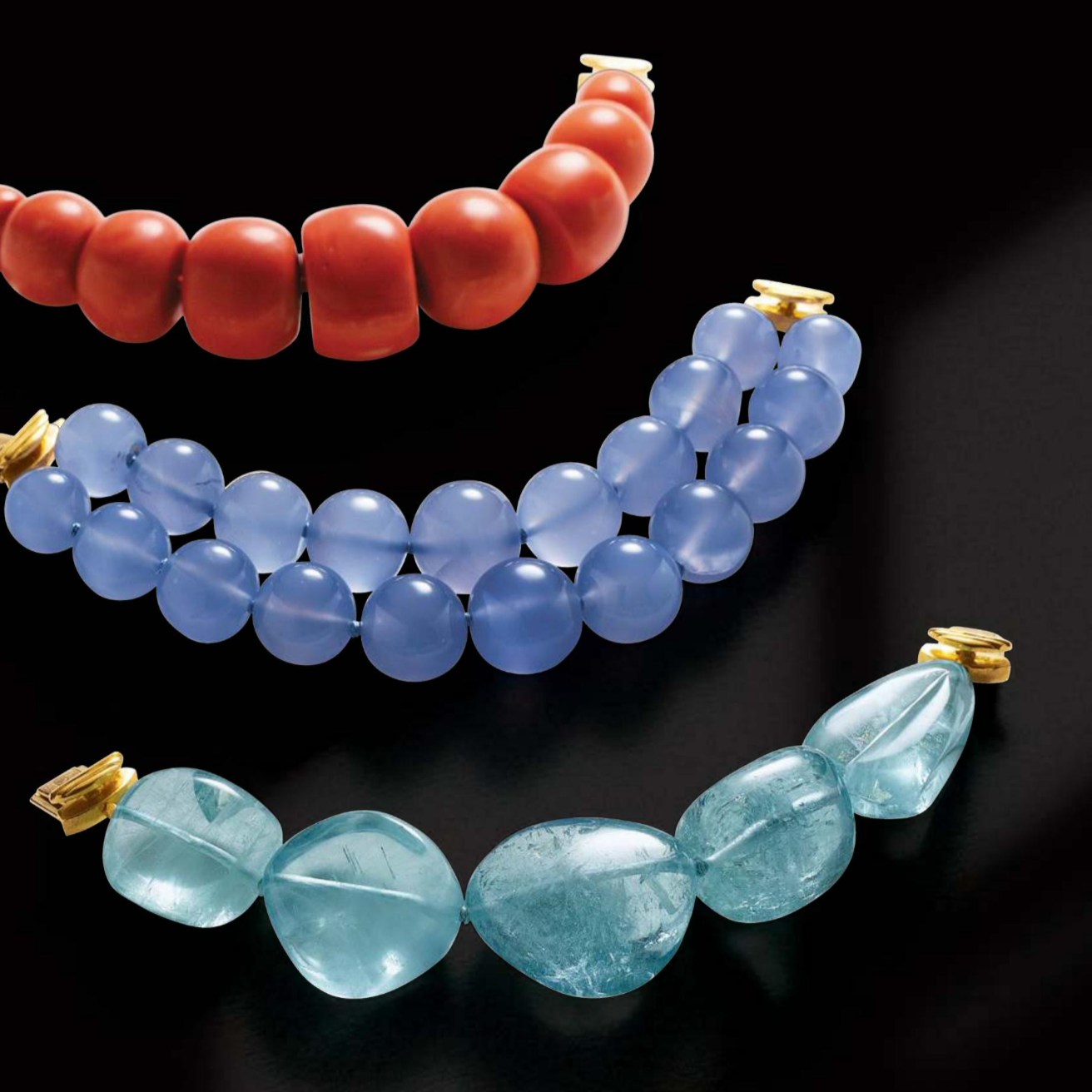
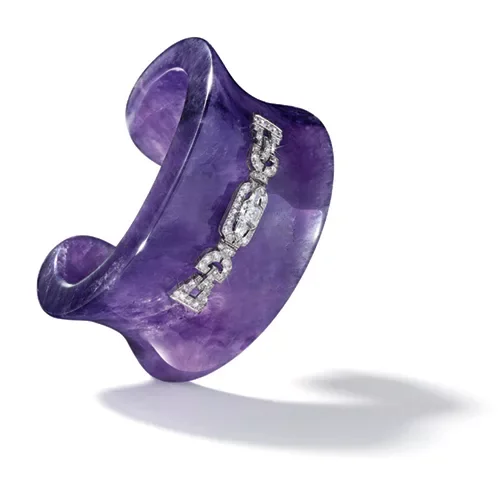
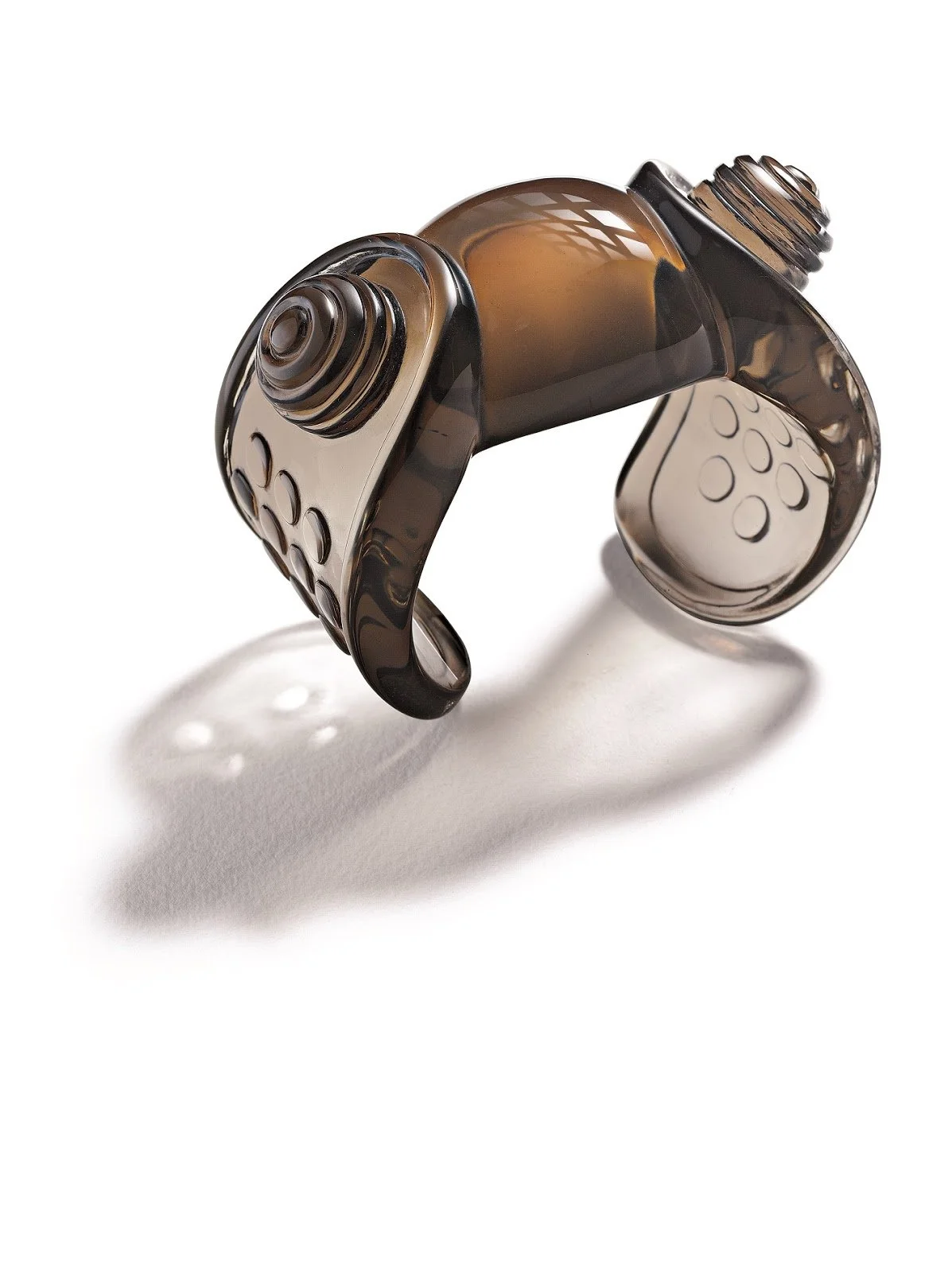
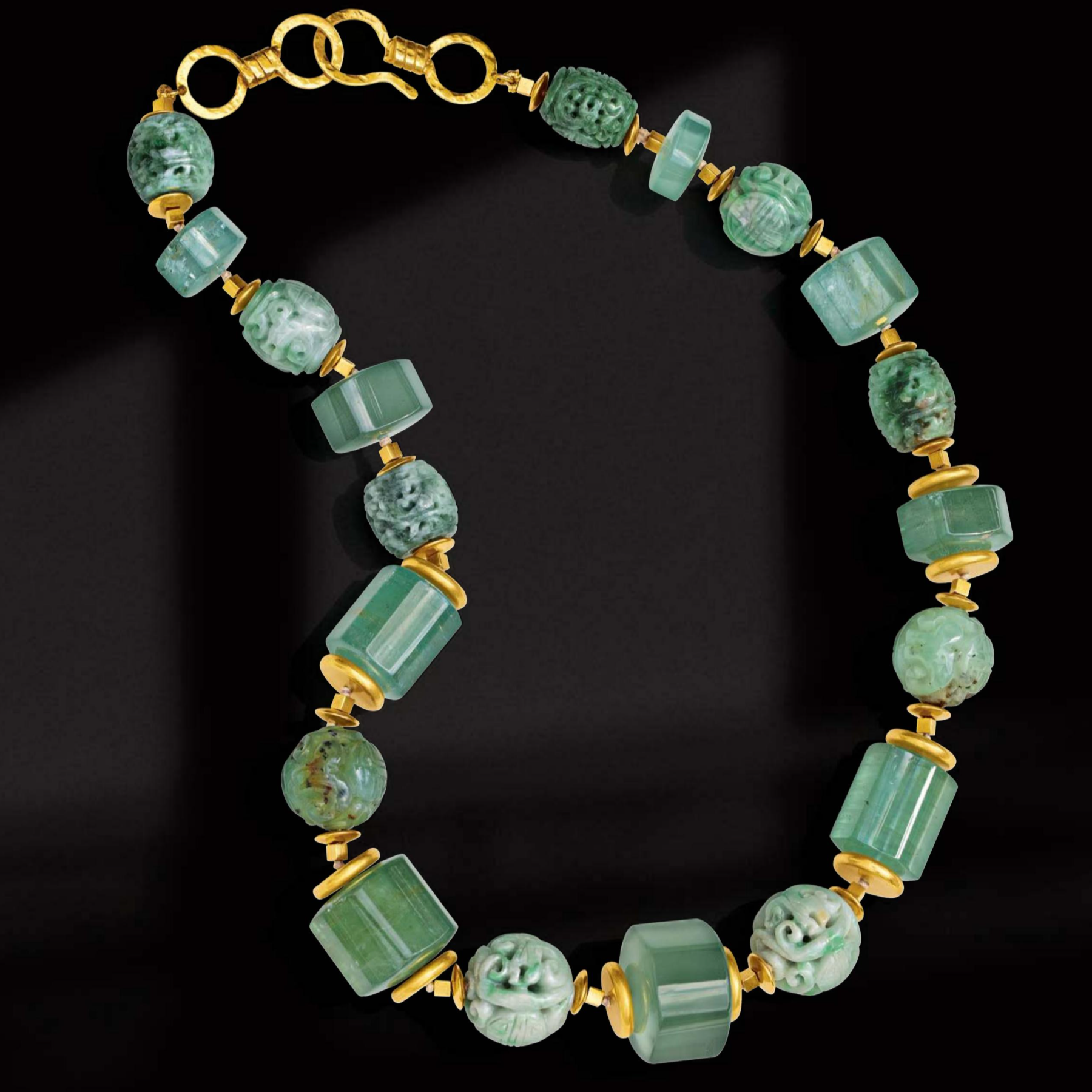
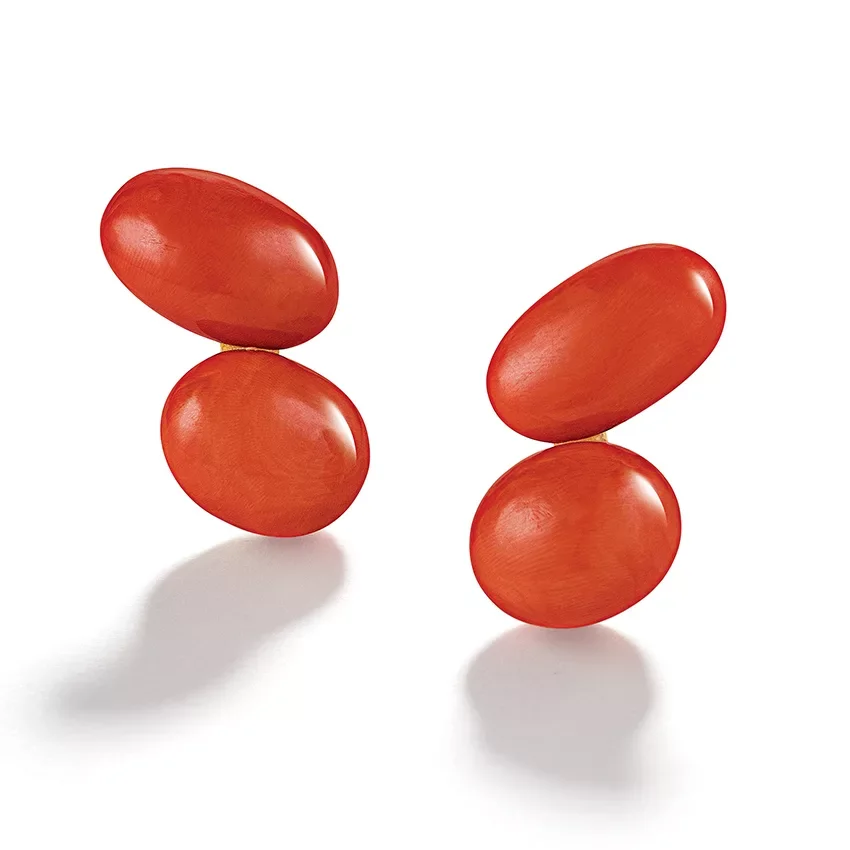
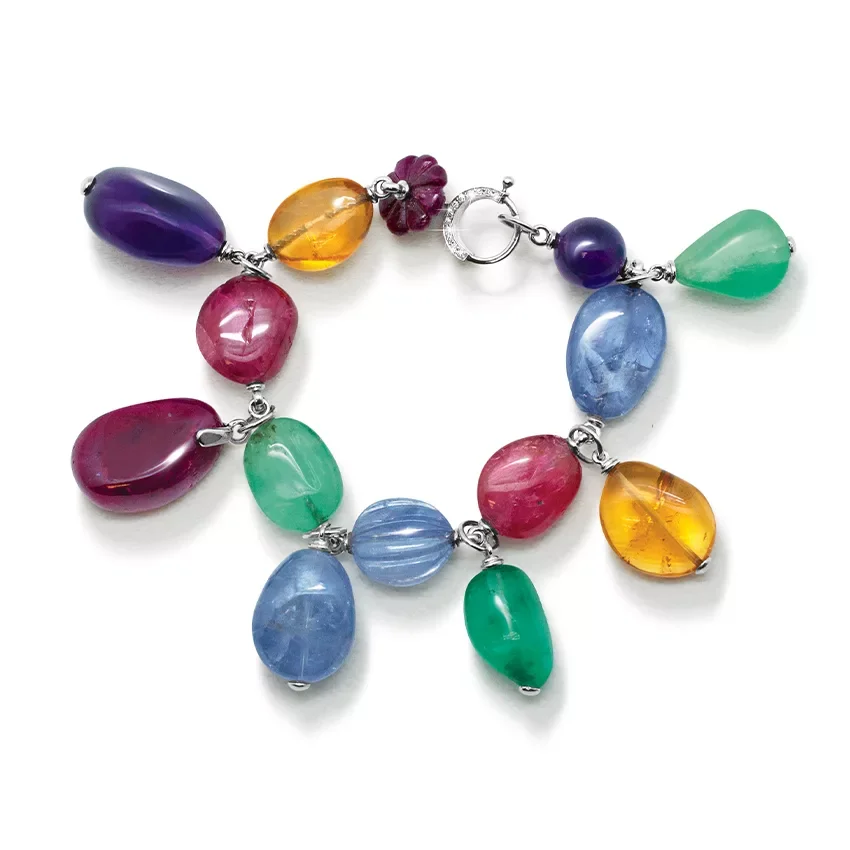
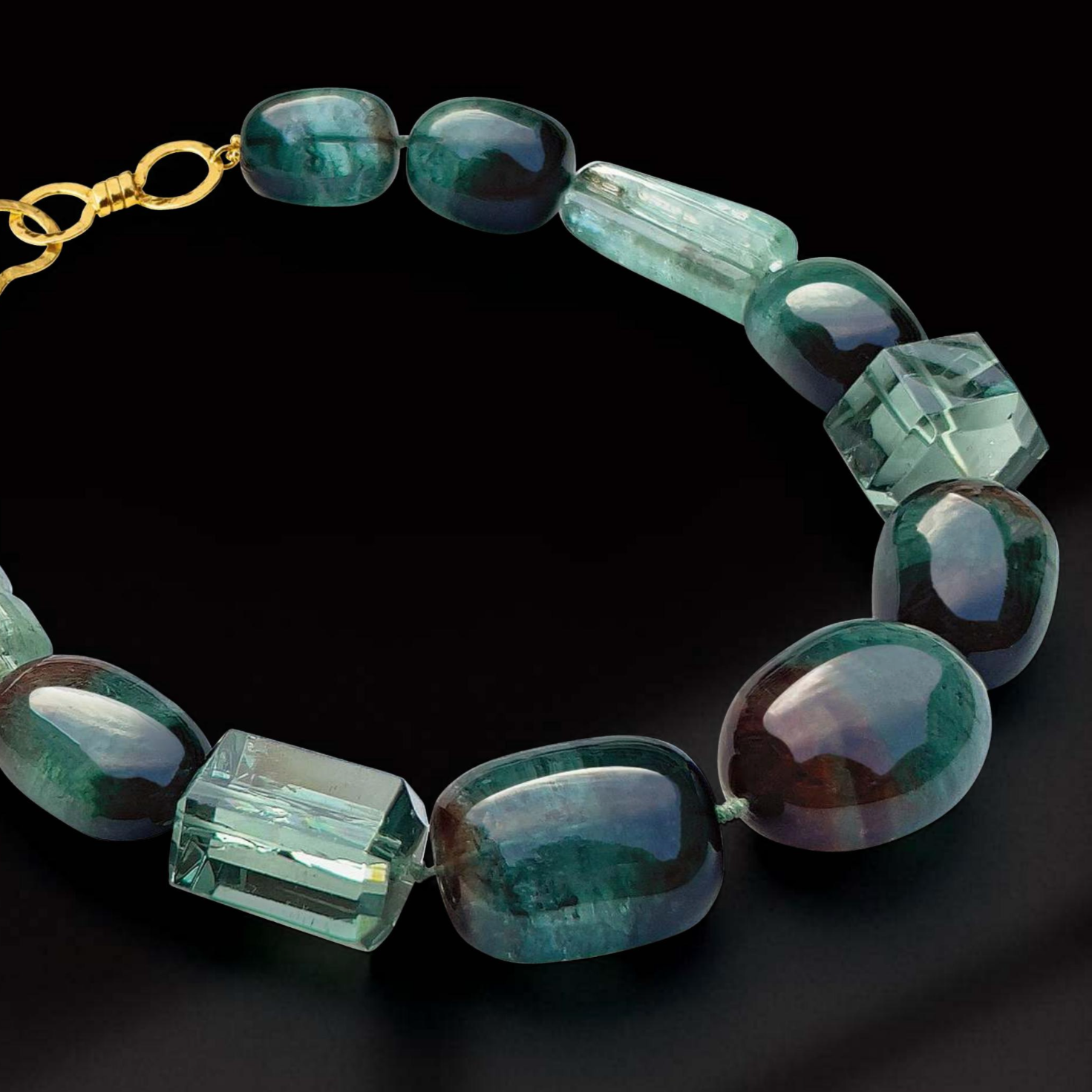
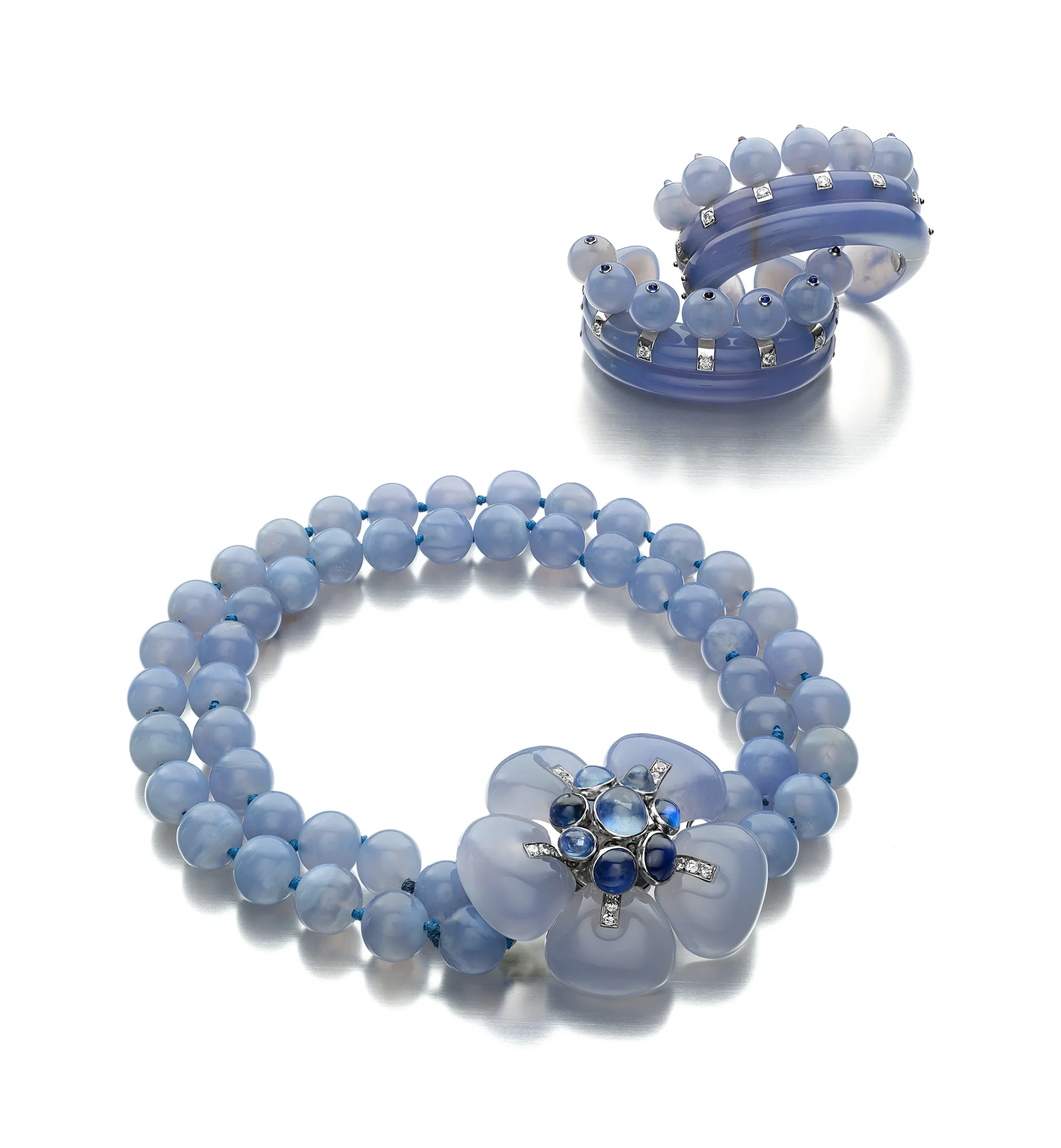
Founded in Munich in 1893, Hemmerle originated as a traditional goldsmithing atelier crafting medals and orders for the Royal Bavarian Court. But by the late 20th century, the family-owned house dramatically shifted the definition of high jewelry by rejecting traditional material hierarchies: pairing high-quality natural stones with unconventional, unpolished materials like iron, copper, aluminum, rare woods, and even river pebbles. Among their most celebrated contemporary achievements is the revival of a 19th-century Austrian technique in which hundreds of meticulously hand-carved, color-matched stone beads are knitted over silk to create bangles, pendants and necklaces.
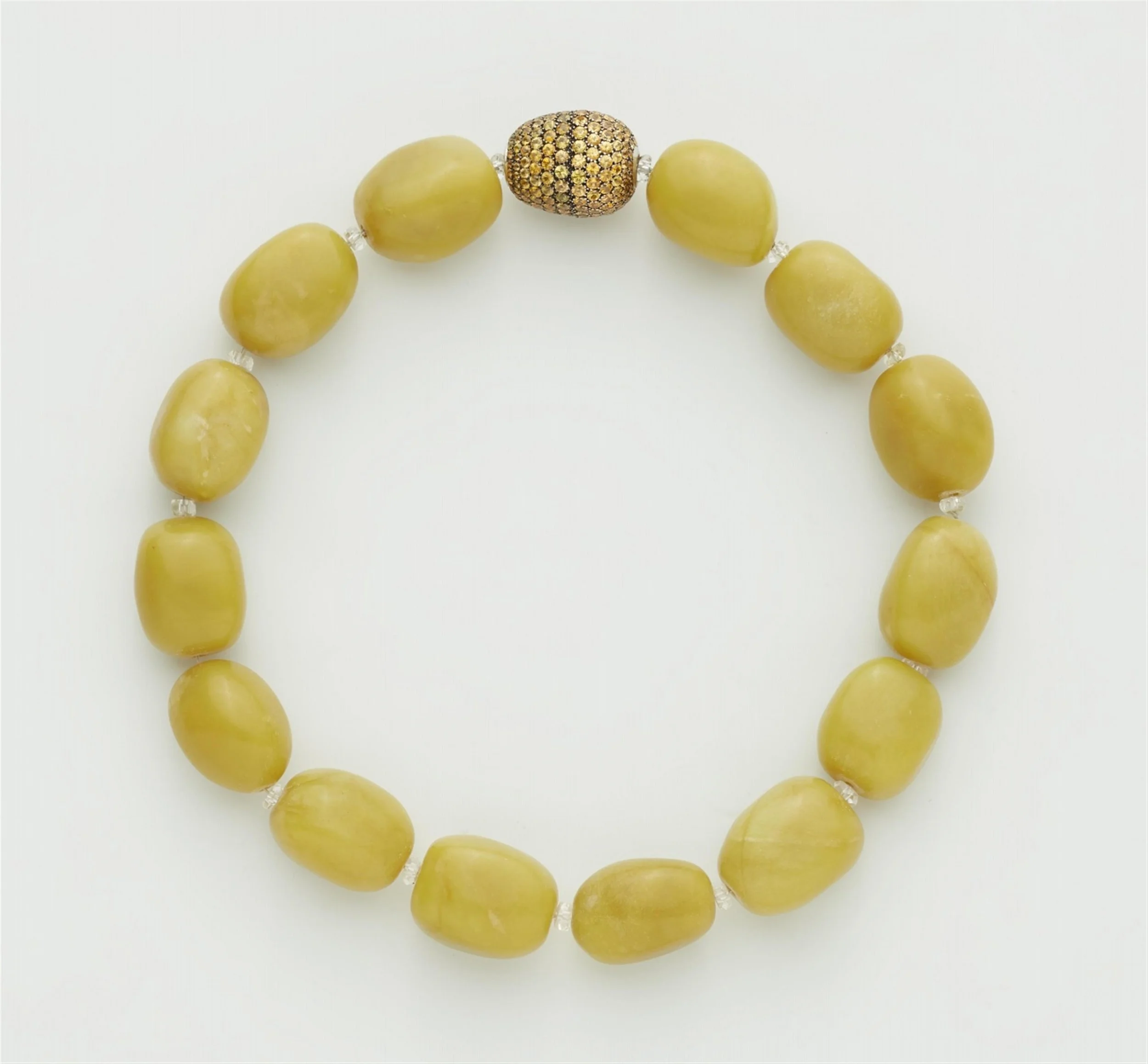
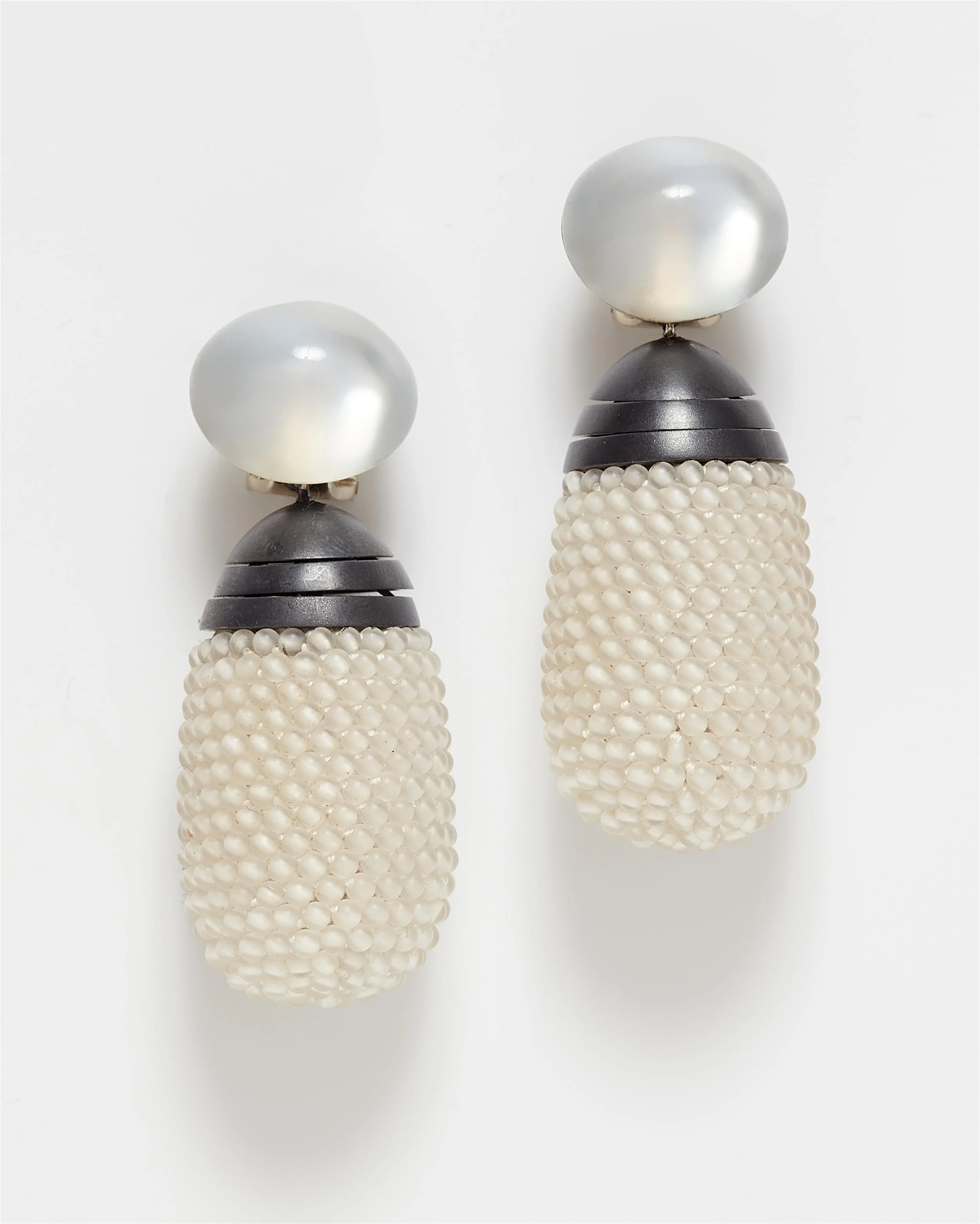
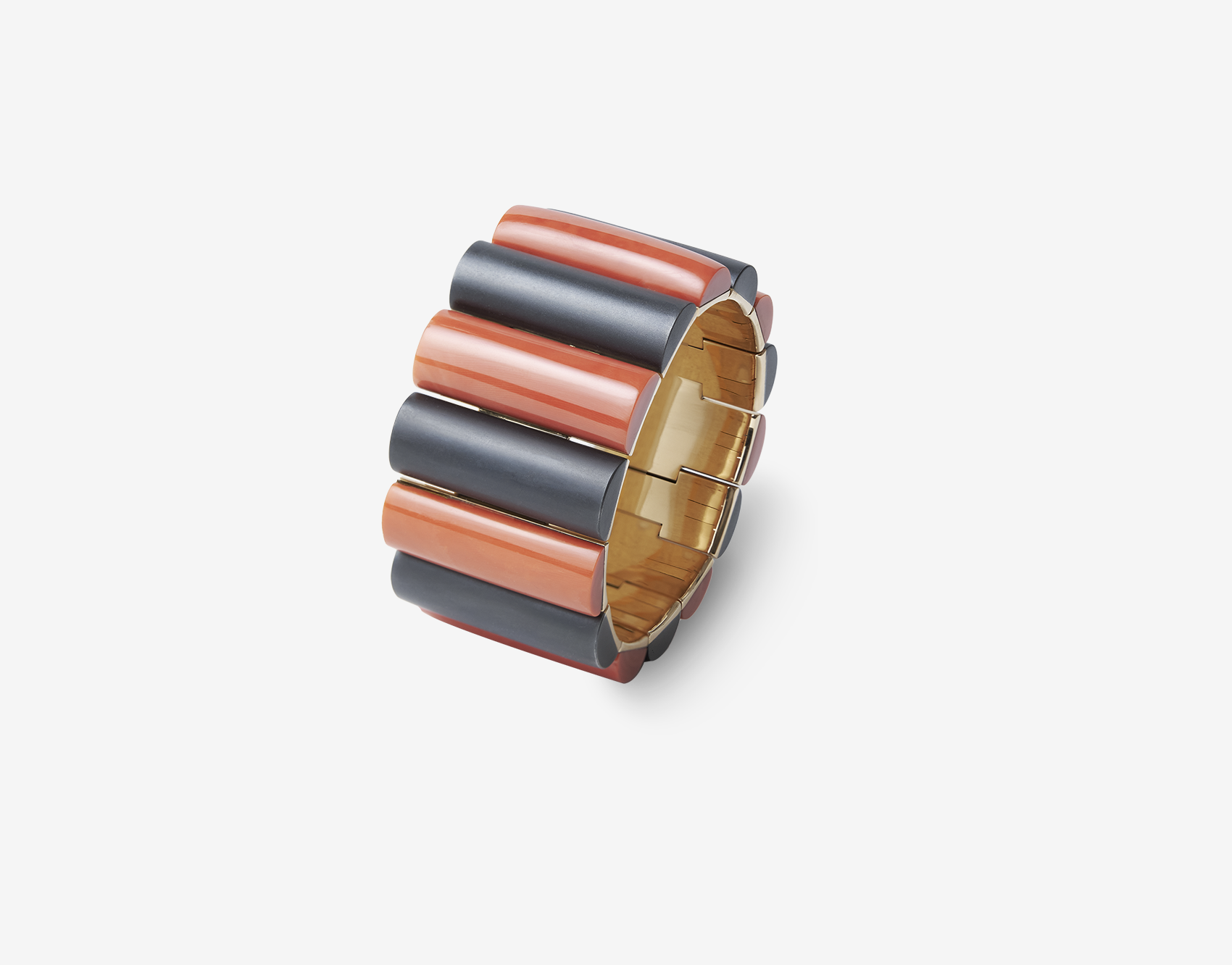
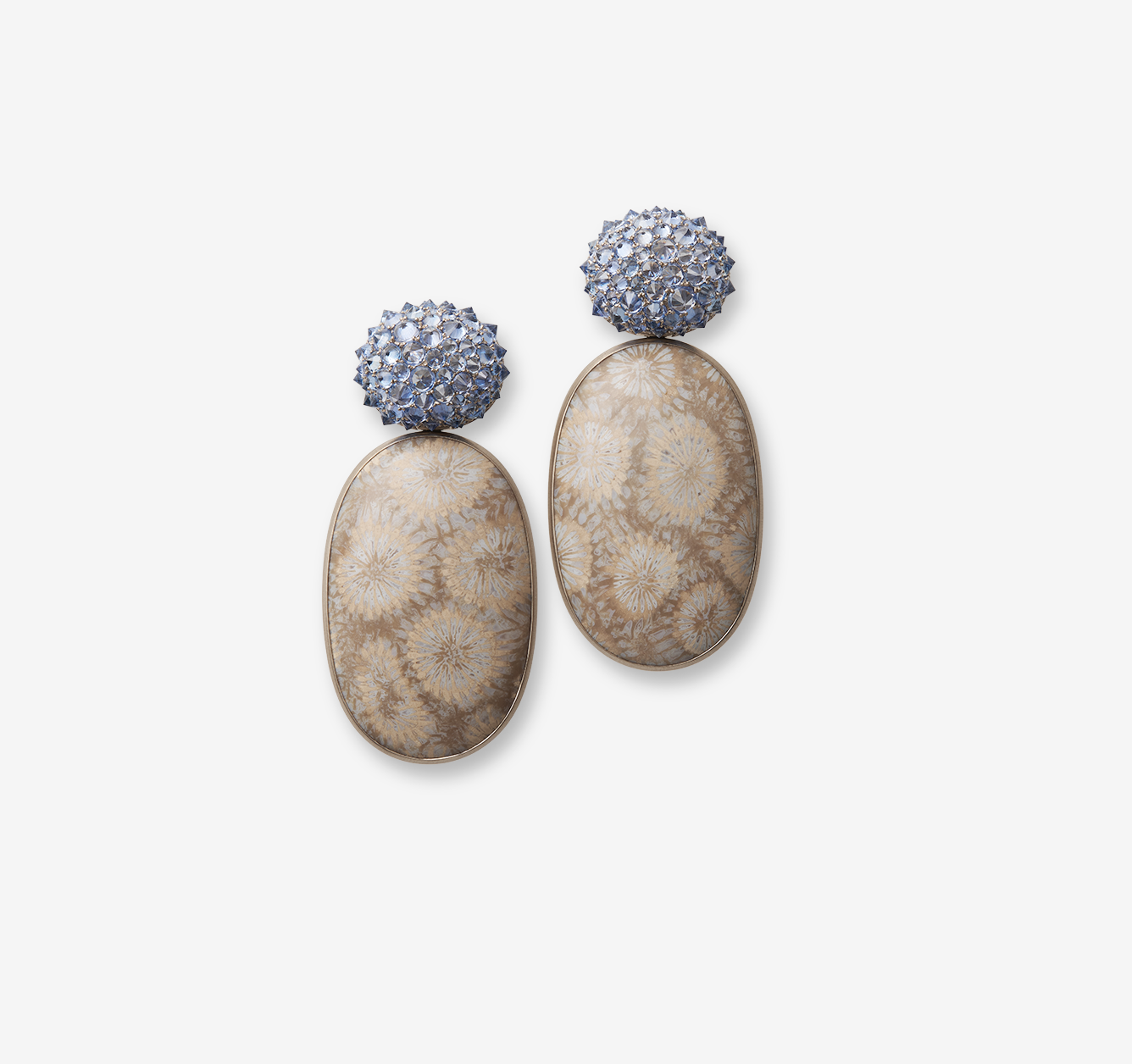

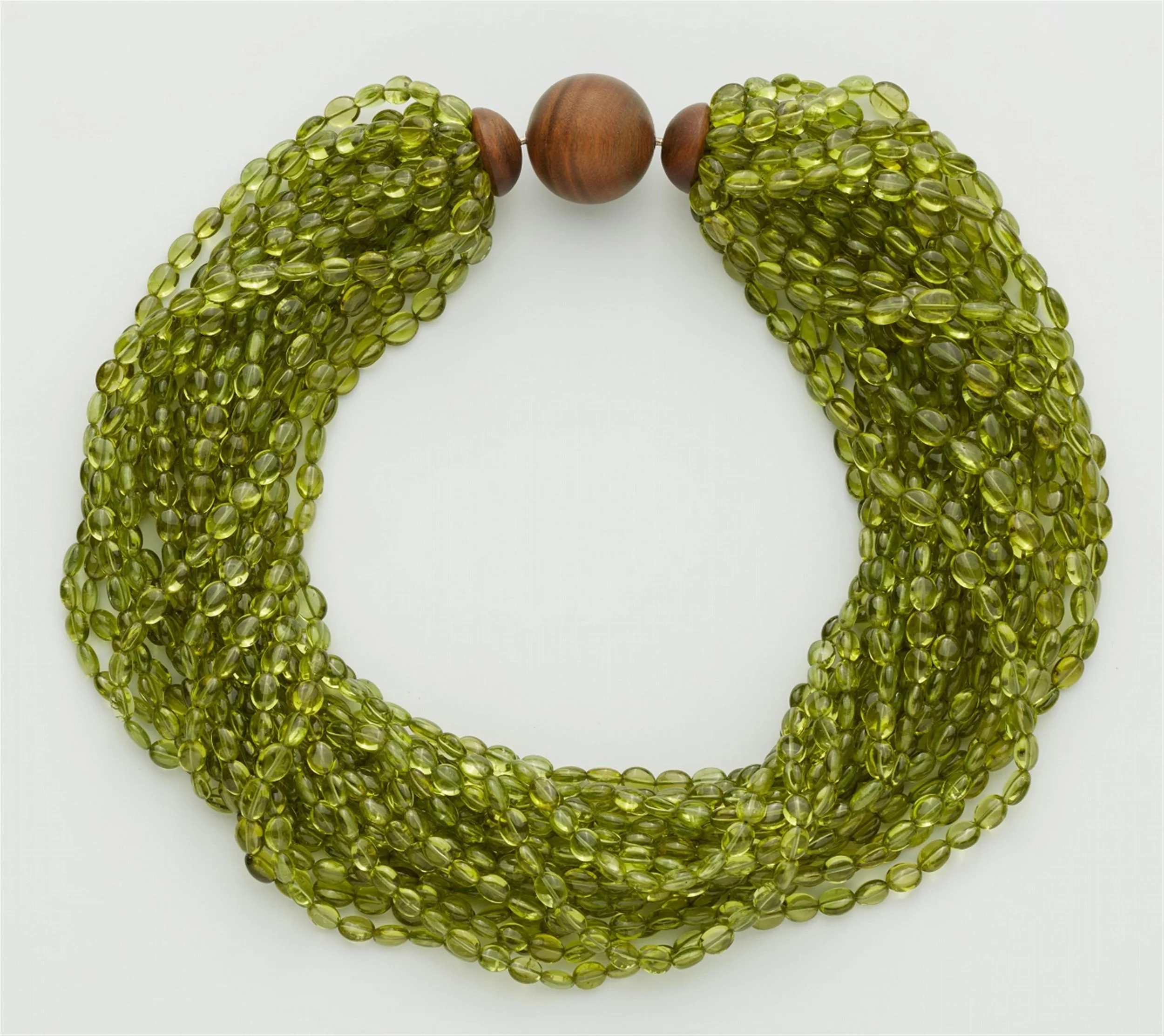
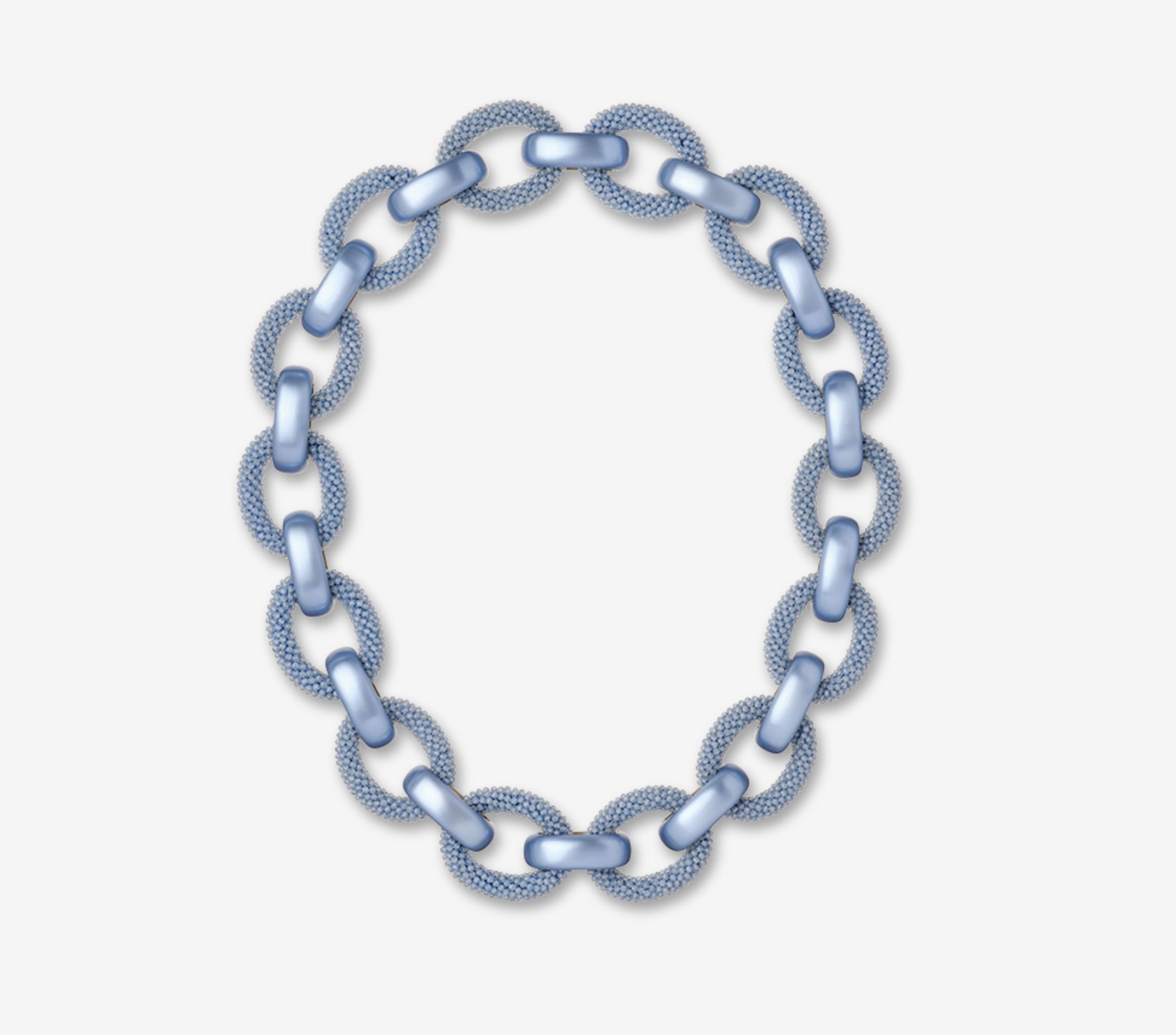
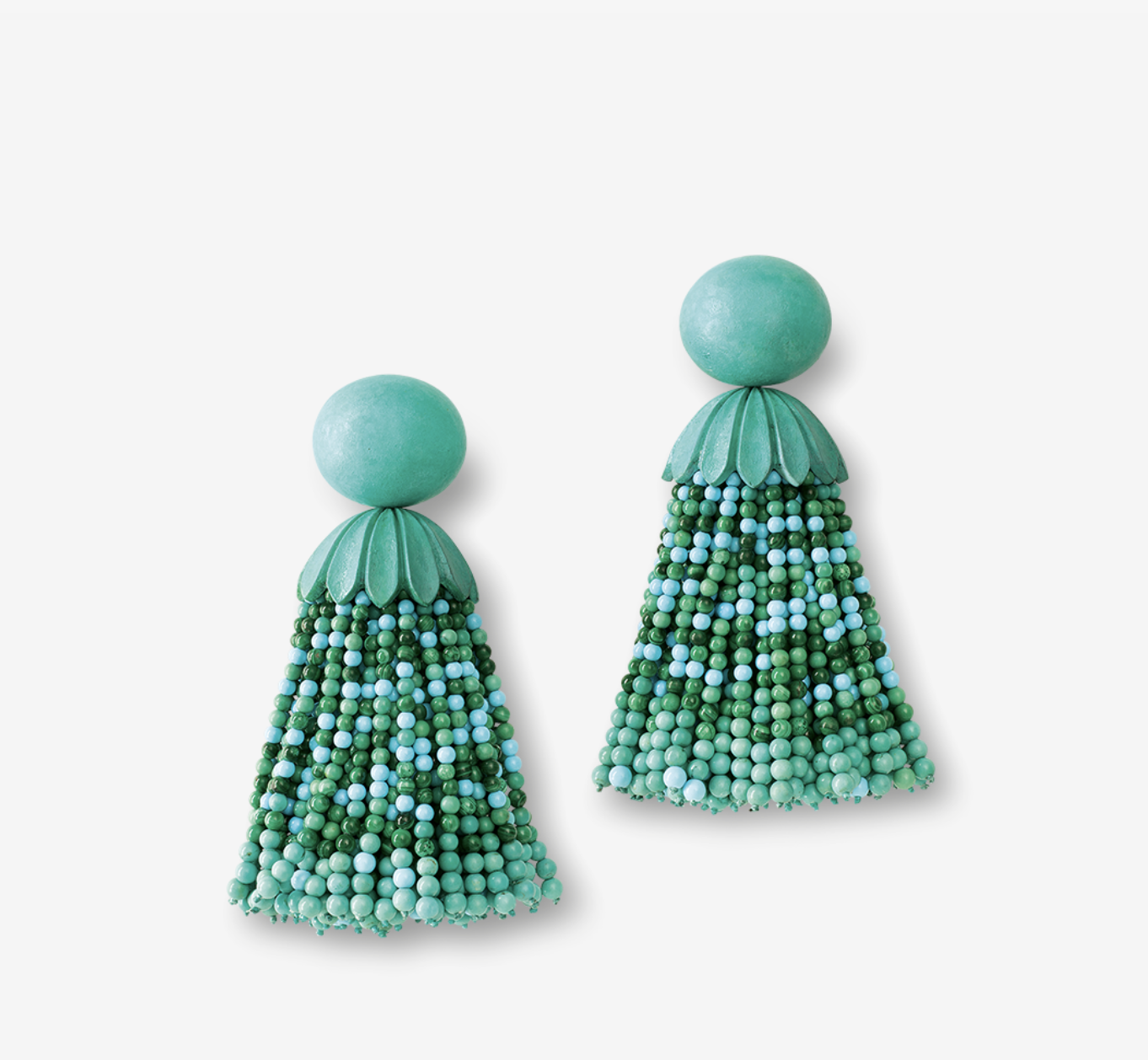
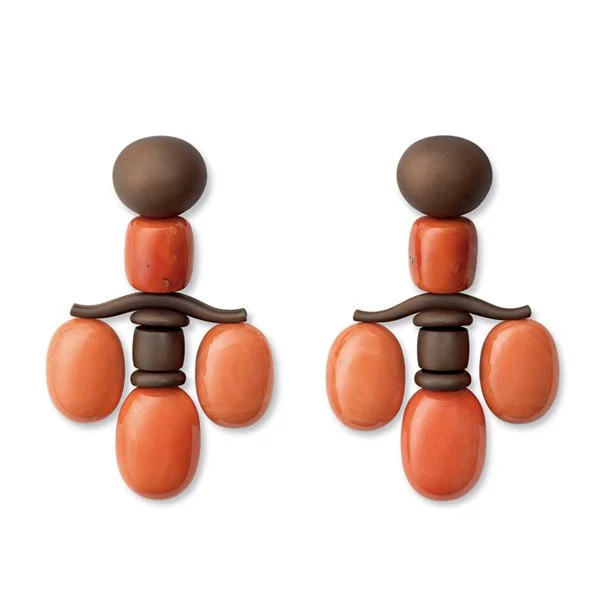
Across centuries, from ancients, oil paintings, Paris runways to high-jewelry ateliers, the simple, sculptural stone bead remained an undisputed classic.
Find more beaded jewelry in natural stone and sterling silver by KATRA Studio in our Boutique.
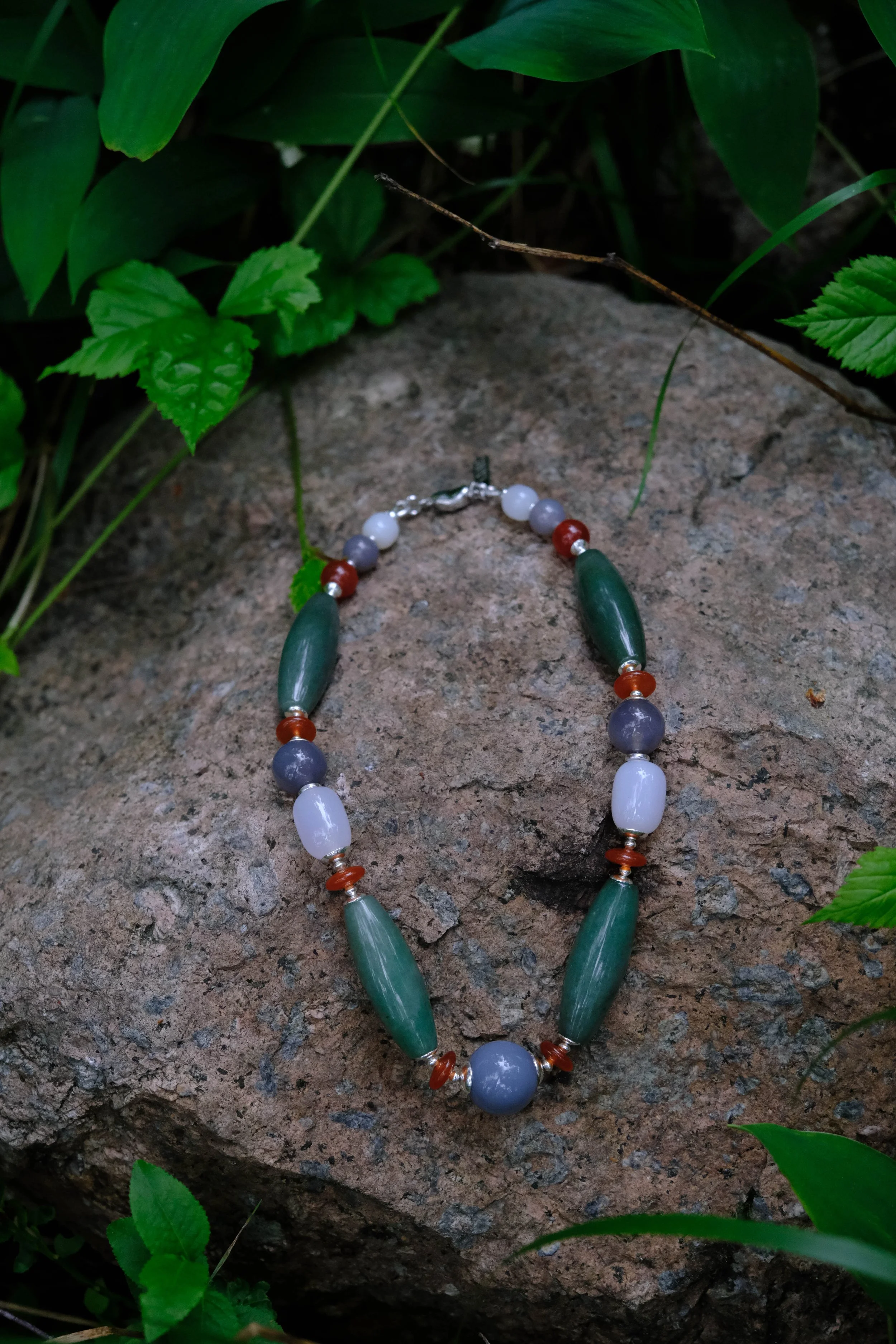
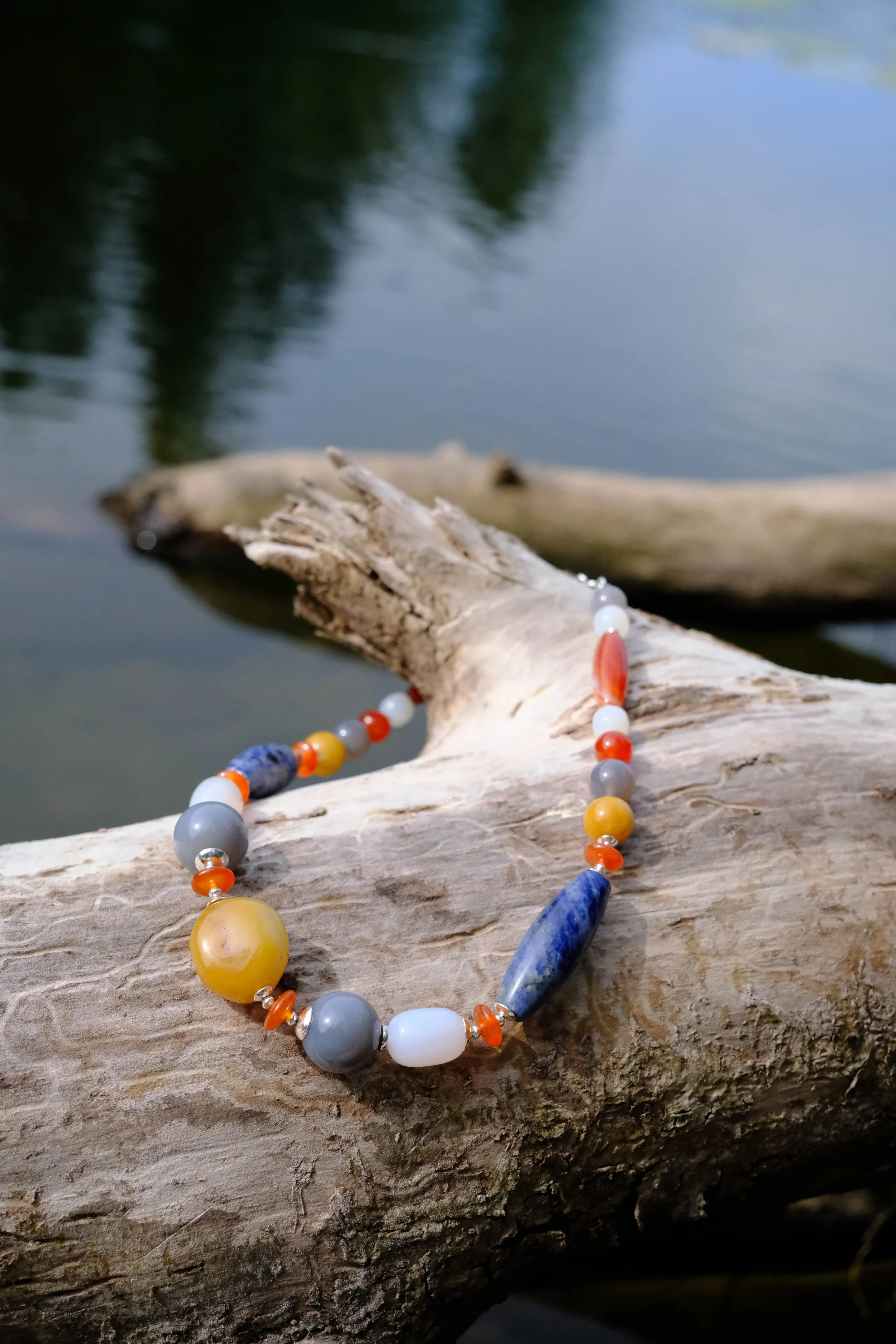
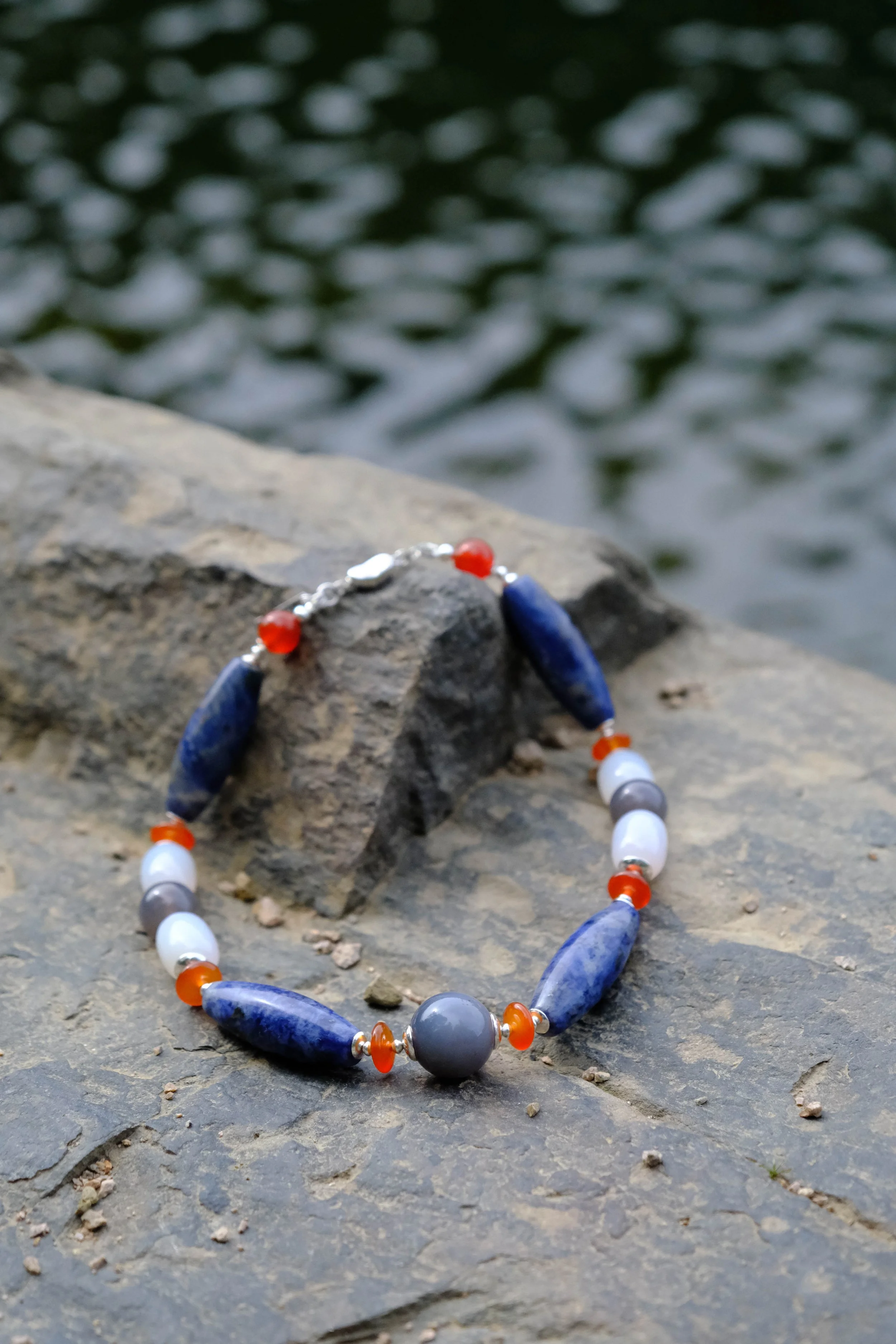
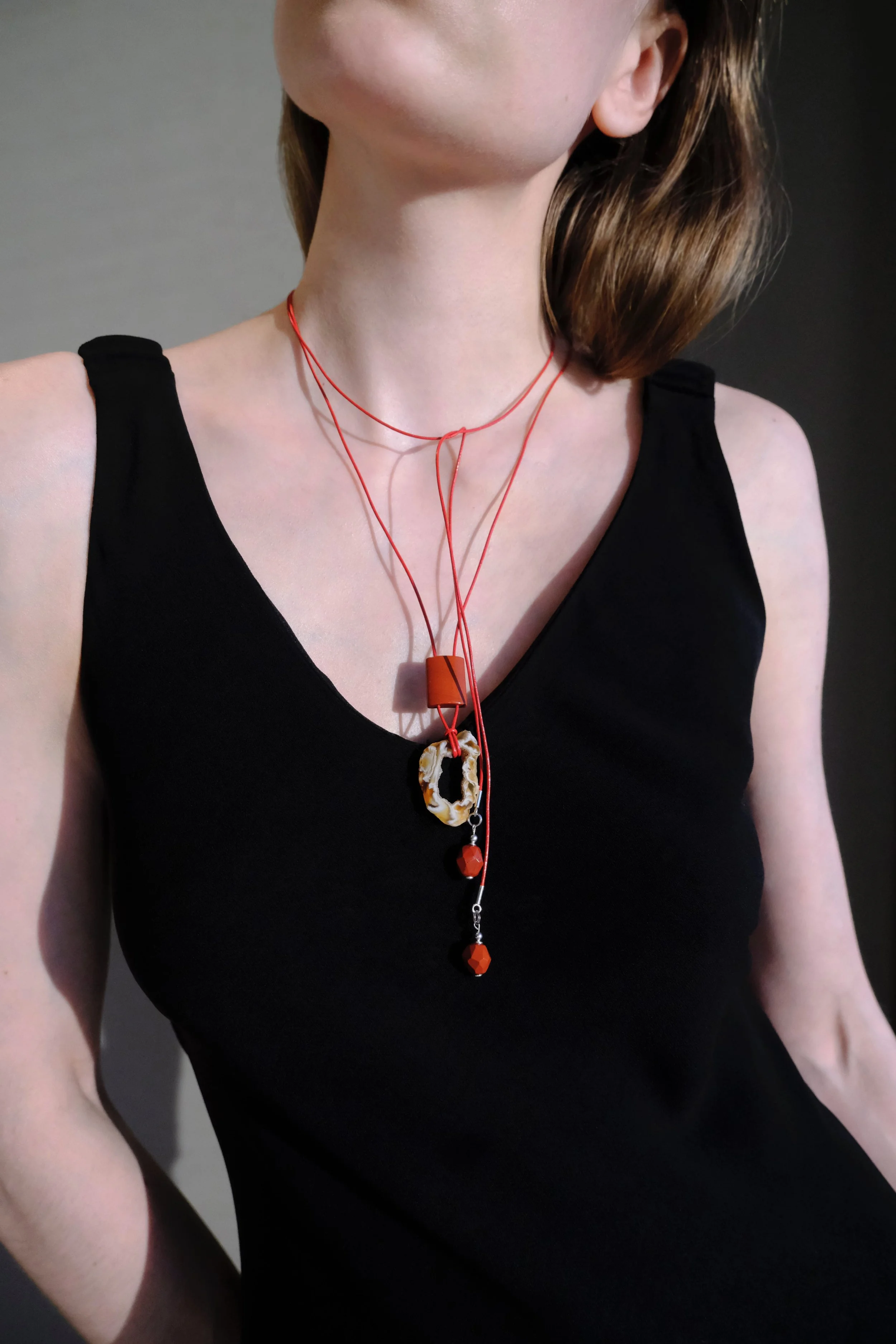
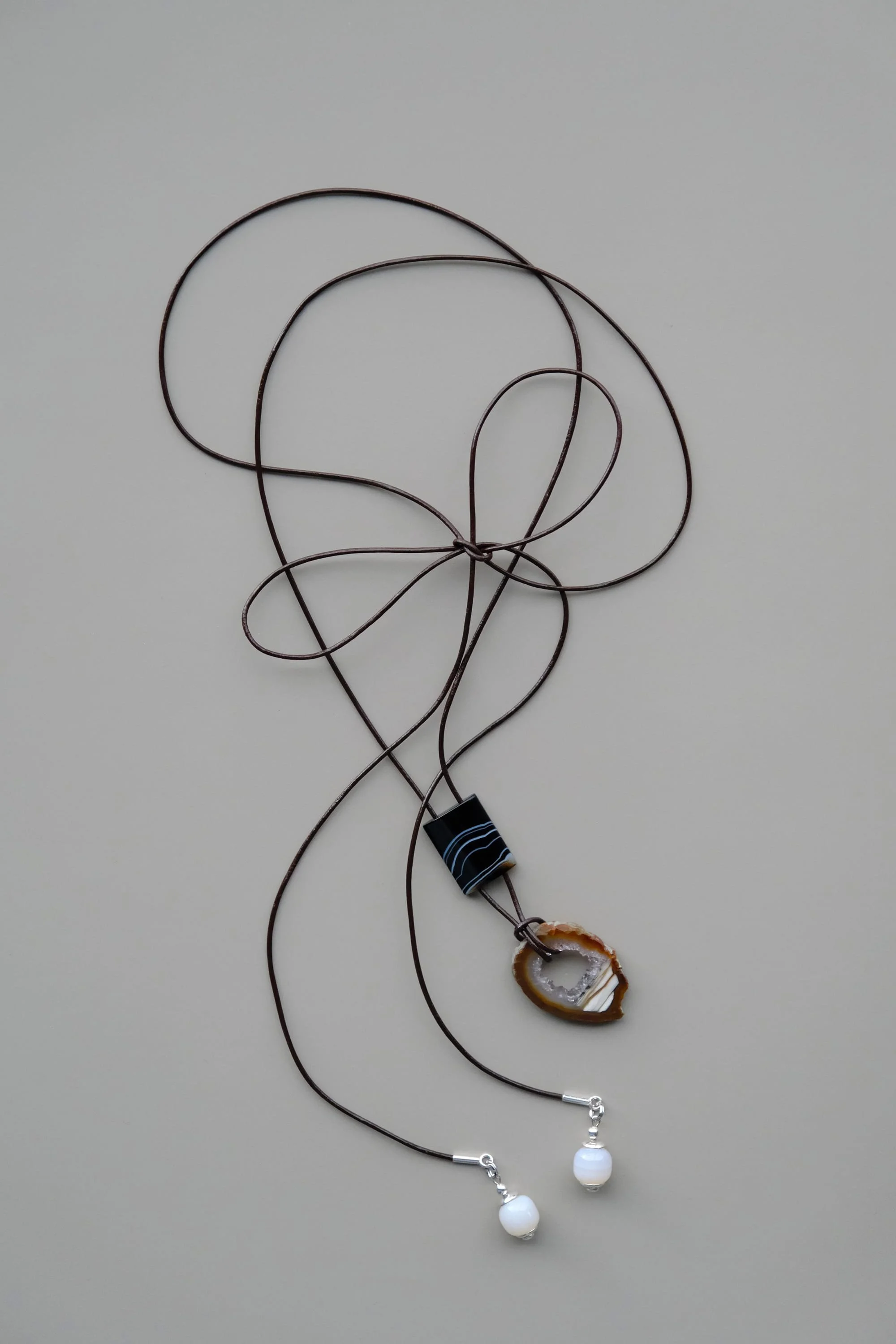

Rich, terrestial, and tapestry-like. A statement jewelry piece that manages to be both tranquil and dramatic, making it ideal for bold, artistic pop to a neutral outfit. The addition of ochre and rust tones give a deeply grounded, global-traveler aesthetic. The symmetry and bead shapes of this necklace hint at traditional, ethnographic styles, reimagined in a contemporary layout. Pairs well with our Dusk necklace.
Handmade in Oslo in our studio.
Comes in our box with a polishing cloth and anti-oxidation tab for your silver jewelry.
MATERIALS
White agate, yellow agate, grey agate, aventurine, carnelian, 925 sterling silver.
SIZE
50 cm